Commercial Restoration Services in Tampa, FL
Commercial restoration services in Tampa, FL help small businesses and property managers dry out, clean up and document a building after storm water, surge or a roof leak. This page covers what to do first, how tenants and owners split the work, and what records help an insurance claim. Call to be connected with a local provider.
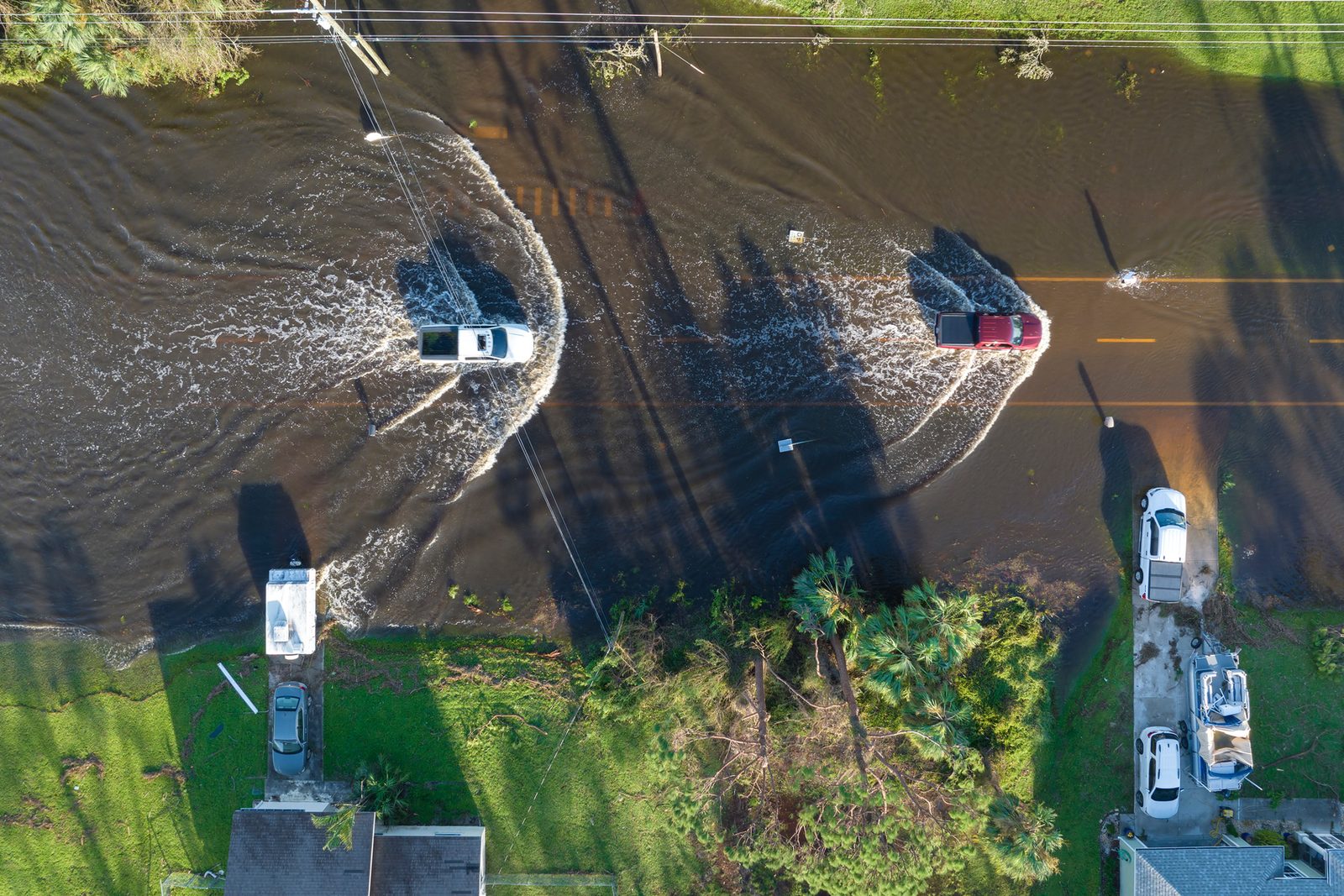
- The Atlantic hurricane season runs from June 1 to November 30 (National Hurricane Center).
- The Florida Department of Health advises drying wet building materials and carpets in the first 24 hours to help limit mold.
- Many policies treat flood water differently from sudden leaks. Check your policy and document everything.
- Under Florida law, notice of a new property insurance claim must be given within 1 year after the date of loss.
- For a hurricane claim, Florida law sets the date of loss as the date the hurricane made landfall.
What to do first
- Keep people out of areas with standing water near outlets, panels or equipment until power is confirmed off.
- Stop or limit the source if it is safe, such as closing the main shutoff valve or covering a roof opening with a tarp.
- Take photos and video of every wet room, ceiling, floor and damaged item before anything is moved.
- Tell your landlord, property manager or tenants in writing, with the date and time you found the water.
- Call your insurance agent or carrier to report the loss, then call to be connected with a local restoration provider.
What do commercial restoration services in Tampa, FL include after a storm?
Commercial restoration services in Tampa, FL usually include water extraction, structural drying, cleanup of contaminated water, moisture mapping and written documentation for the insurer. After a storm, the goal is to get the building dry and safe so the business can reopen, while keeping a clear record of what was damaged and why.
A typical commercial job may cover:
- Water removal from carpet, tile, concrete and low areas. See emergency water extraction.
- Drying of walls, ceilings, flooring and cabinetry with air movers and dehumidifiers. See structural drying.
- Cleanup and sanitizing when storm or surge water carried dirt, sewage or debris.
- Removal of materials that cannot be saved, such as soaked drywall or ceiling tiles.
- Moisture readings and photos that support an insurance claim.
For a general overview of building losses that are not storm related, see commercial water damage restoration.
How is storm surge damage different from a roof leak in a business?
Storm surge and rising water come from outside and are usually treated as flood water, which is often dirty and may carry sewage. A roof leak or wind-driven rain comes from above and is usually cleaner at first. The source matters for cleanup and for insurance.
The Florida Department of Financial Services says a flood typically means overflow of inland or tidal waters, runoff of surface water from any source, or mudflow. Surge water in a ground-floor shop, office or warehouse falls into that kind of event. It often means porous items it touched, like carpet pad, drywall near the floor and cardboard stock, may need to be removed instead of dried.
Water from a damaged roof is a different situation. See roof and ceiling leak water damage for how that kind of damage is usually handled.
Who handles restoration in a leased building, the tenant or the owner?
It depends on the lease. In many commercial leases, the owner handles the building structure and roof, and the tenant handles its own contents, fixtures and improvements. Read the lease, then talk to the other party early so drying is not delayed while people sort out who pays.
Practical steps that help:
- Give written notice to the landlord or property manager right away.
- Agree on who will call the restoration provider so two companies do not show up for the same space.
- Keep separate lists of building damage and tenant property damage.
- Ask each party to check its own policy. A tenant's business policy and an owner's building policy may respond to different parts of the loss.
Need help now? Call to be connected with a local provider in Tampa who can check availability for your address.
What should a property manager do first after a storm?
A property manager should first make sure people are safe, then check every unit or suite for water, then document and report. In multi-tenant buildings, water often moves through shared walls, ceilings and ductwork, so a unit with no visible water can still be wet inside.
- Walk every unit, hallway, stairwell, mechanical room and elevator pit.
- Note ceiling stains, wet carpet edges, bubbling paint and musty smells.
- Photograph each unit with the unit number visible in the first shot.
- Keep a simple log of who was told, when, and what they reported.
- Ask the provider for moisture readings by room so you can track drying over the days that follow.
What happens during the visit?
During the visit, a local provider inspects the building, measures moisture, explains the options and gives a written quote before any work starts. You decide what to approve.
- Inspection: the provider walks the space, checks walls, floors and ceilings with moisture meters, and looks for the water source and the edges of the wet area.
- Options explained: what can be dried in place, what likely needs to come out, and how the work may affect business hours or tenants.
- Written quote: a written scope and quote before work begins, which you can share with your insurer, landlord or tenants.
- Documentation: photos and moisture readings that become part of your claim file.
How long drying takes depends on the materials, the amount of water and the weather, so no fixed timeline can be promised.
What records help a commercial insurance claim in Florida?
Clear photos, dated notes, moisture readings and receipts are the records that usually help most. Many policies treat sudden damage differently from gradual leaks or flood water, so check your policy and document everything from the first hour.
- Photos and video of every damaged area before cleanup starts.
- A list of damaged inventory, equipment and furniture, with model numbers when you have them.
- Copies of the written scope, moisture logs and invoices from the provider.
- Records of business closure dates if your policy includes business interruption.
- Receipts for tarps, fans, pumps or temporary repairs.
Under section 627.70132, Florida Statutes, a new or reopened property insurance claim is barred unless notice is given within 1 year after the date of loss, and a supplemental claim within 18 months. This is general information, not legal advice. For more, read water damage insurance claim basics.
When does mold become a concern in a commercial building?
Mold becomes a concern when building materials stay wet. The Florida Department of Health advises cleaning up spills and drying wet building materials and carpets in the first 24 hours, and says most experts suggest keeping indoor relative humidity below 60%.
In Florida, mold assessment and mold remediation for more than 10 square feet of mold growth fall under state rules, and the Department of Business and Professional Regulation licenses individual mold assessors and remediators. The Department of Health does not recommend mold testing or sampling to see if you have a mold problem. If you see growth after a storm, see mold remediation after water damage.
Storm season and commercial buildings around Tampa Bay
Tampa Bay businesses face water risk for a large part of the year. The official Atlantic hurricane season runs from June 1 to November 30, and the National Hurricane Center says the season peaks on September 10, with most activity between mid-August and mid-October. NWS Tampa Bay defines the rainy season for West Central Florida as May 25 to October 10, with heavy rain and damaging winds common from late May through June.
Flood insurance discounts also vary by location. The City of Tampa is a Class 5 Community Rating System community, which gives a 25% flood insurance discount in flood zones. Unincorporated Hillsborough County, which includes Brandon and Riverview, moved to Class 4 effective October 1, 2026, which gives unincorporated residents a 30% discount on flood insurance premiums. FEMA notes that an NFIP flood policy typically has a 30-day waiting period before it takes effect, so do not wait for a storm to review coverage.
Calls come in from storefronts, offices and rental buildings in Tampa, Clearwater, St. Petersburg, Temple Terrace and Wesley Chapel. Call to be connected with a local provider who can check availability for your address.
Related pages
Questions people ask
Where can I find commercial restoration services in Tampa, FL after a hurricane?
Call the number on this page to be connected with a local provider that handles commercial restoration in Tampa. The provider can check availability for your address and explain the next step.
What should I do first if storm water got into my store or office?
Keep people safe, stop the water if you can, and take photos before moving anything. Then report the loss to your insurer and call for restoration help.
Is storm surge water in my business considered flood damage?
Usually, yes. The Florida Department of Financial Services describes a flood as overflow of inland or tidal waters or runoff of surface water, which is how surge water is generally treated. Check your own policy wording.
Does my commercial property insurance cover water damage from a hurricane?
It depends on your policy. Many policies treat wind-driven rain, sudden leaks and flood water differently, so read your policy, talk to your agent and document everything.
How long do I have to file a property insurance claim in Florida after a storm?
Under Florida law, notice of a new or reopened property claim must be given within 1 year after the date of loss. A supplemental claim must be given within 18 months. This is general information, not legal advice.
What is the date of loss for a hurricane claim in Florida?
For a hurricane, Florida law sets the date of loss as the date the hurricane made landfall. For other weather events, it is the date NOAA verifies the event.
As a tenant, should I call a restoration company or wait for my landlord?
Tell your landlord in writing right away and agree on who will call. Waiting too long can let water spread, but two companies working the same space can cause confusion.
Who pays for water damage in a leased commercial space?
Your lease and each party's insurance usually decide that. Owners often handle the building and tenants often handle their own contents and improvements, but leases vary.
Can my business stay open while drying equipment runs?
Sometimes, if the water was clean and limited to one area. Contaminated water, power problems or wet ceilings often mean closing the affected space until it is cleaned.
What does a restoration provider check during the first visit to a commercial building?
They inspect the space, measure moisture in walls, floors and ceilings, and look for the source. Then they explain options and give a written quote before work starts.
Will I get a written quote before restoration work begins?
You should. Ask for a written scope and quote before approving work, and keep a copy for your insurer, landlord or tenants.
What photos should I take of commercial water damage for insurance?
Take wide shots of every room, then close-ups of damaged walls, floors, ceilings, stock and equipment. Include a shot showing the unit number or storefront so each photo is easy to place.
Does drywall have to be removed after a flood in a commercial building?
Often, if flood or surge water soaked it. Porous materials touched by dirty water are usually removed, while materials wet by clean water may sometimes be dried in place.
How fast does mold grow after water damage in a Tampa building?
Mold can start when materials stay wet. The Florida Department of Health advises drying wet building materials and carpets in the first 24 hours to help limit it.
Do I need a licensed mold remediator for my business in Florida?
For mold growth of more than 10 square feet, Florida's mold licensing rules apply, and DBPR licenses individual assessors and remediators. You can check a license with DBPR's Verify a License search.
Should I test for mold after a storm hits my office?
The Florida Department of Health does not recommend mold testing or sampling to see if you have a mold problem. If you see or smell mold, focus on finding and fixing the moisture source.
Talk to someone about your water damage problem
Call to be connected with a local provider who can check availability for your address and explain the next step.