Phased so you can keep trading
Where it is practical, the wet area is sealed off and dried while the rest of the building carries on. Work may be staged after hours or overnight when noise and equipment would stop business.
A wet floor in a business is lost trading time as well as damaged material. An independent provider can often work around operating hours, isolate the affected area and document each stage for owners, managers and insurers.
Restaurants, clinics, shops and offices each have their own weak points: a cooler line, a second-floor restroom above a suspended ceiling, a server room beside a riser. Say what the space is used for when you call so the right equipment comes out.
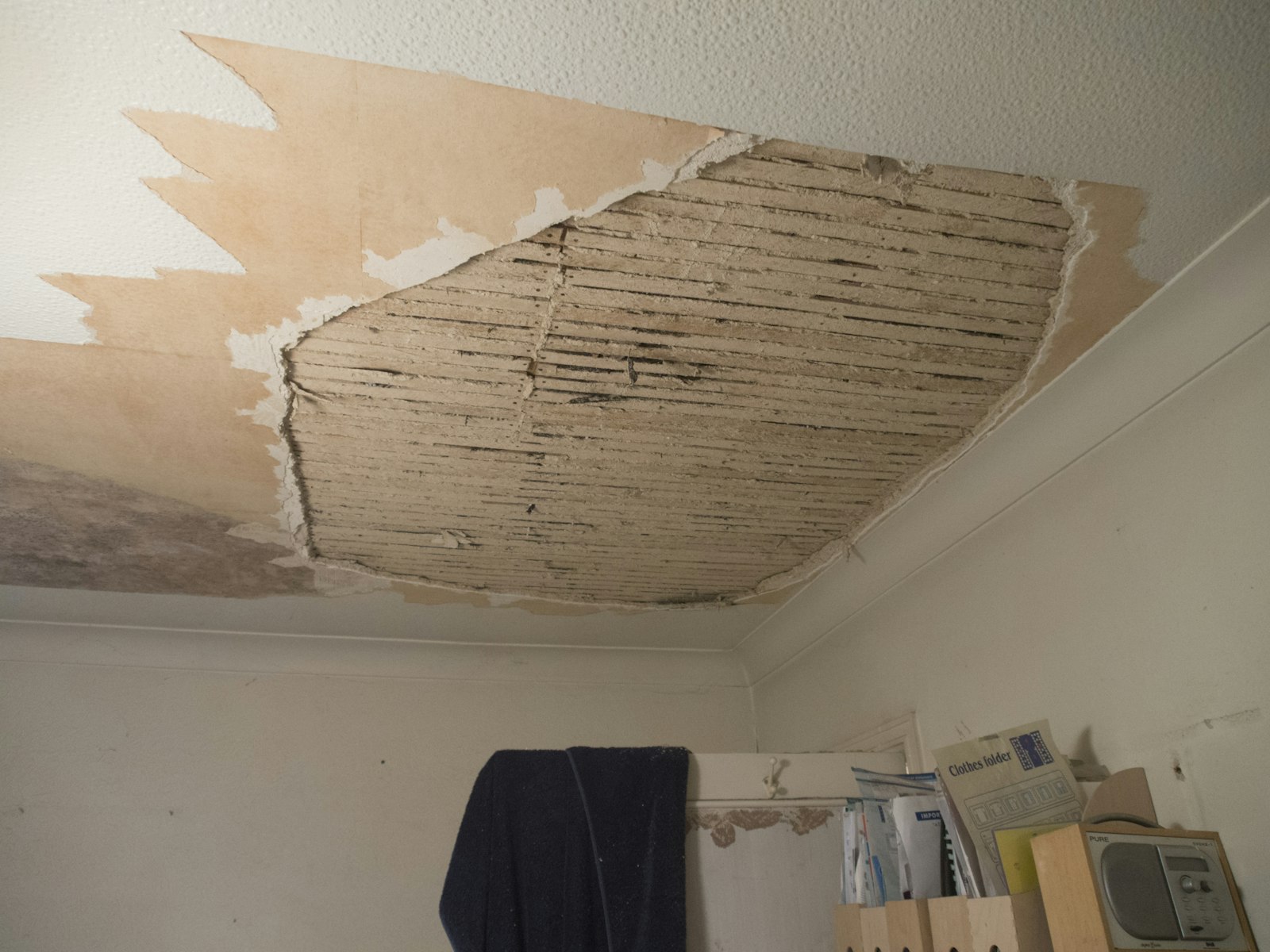
Commercial work is planned around keeping as much of the building usable as possible. Ask the independent provider to set out the sequence, the containment and the schedule before work starts.
Where it is practical, the wet area is sealed off and dried while the rest of the building carries on. Work may be staged after hours or overnight when noise and equipment would stop business.
In a multi-tenant building water rarely stays in one unit. Suspended ceilings, wall cavities and shared risers are checked, and neighboring units are flagged so their occupants can be told.
Ask for moisture logs, daily readings, photographs and a removal list throughout, so an owner, a manager and an adjuster are all working from the same information.
Who approves what is the thing that most often holds up a commercial job. Owner, tenant, association and insurer can all have a say, and the answer is usually in the lease. Work out early who signs off on the scope so drying is not waiting on a phone call.
Business interruption, stock losses and equipment are typically handled differently from the building itself. Keep your own record of what was affected alongside the restoration documentation; the claim basics guide covers the essentials.
Commercial jobs draw on the same services as residential work: extraction, drying and, where a backup is involved, contaminated water cleanup. Coverage is listed on the service areas page.
Square footage, how many units or floors are involved, the amount of equipment the drying plan needs and whether work has to be done outside trading hours. Ask the independent provider for the scope and the price in writing before starting.
It depends on the provider. Say what hours the space has to stay open when you call, and ask whether the schedule can be built around them.
That is a lease question rather than a restoration one, and it varies. Get the water dealt with first, keep the documentation, then sort out responsibility with the facts in hand.
Drying and removal come first; what gets put back is quoted separately once the structure is dry. See restore versus replace for how those decisions are made.
Call and describe where the water is and what it came from to reach an independent provider.