Emergency Water Extraction
Water sitting on a floor keeps soaking into everything it touches. Getting it out comes first, and that takes pumps and extraction units rather than towels.
Emergency Water ExtractionFrom the first pump to the last moisture reading, Tampa Water Damage Repair handles storm damage, burst pipes, sewage backups and the drying that follows, for homes and businesses across the Tampa area.
Water sitting on a floor keeps soaking into everything it touches. Getting it out comes first, and that takes pumps and extraction units rather than towels.
Emergency Water Extraction
A floor can feel dry and still hold moisture in the subfloor and the bottom of the walls. Drying is finished when the meter says so, not when surfaces look normal.
Structural Drying
A supply line that lets go while nobody is home can run for hours. On a slab there is nowhere for that water to drain, so it travels sideways across the floor.
Burst Pipe Cleanup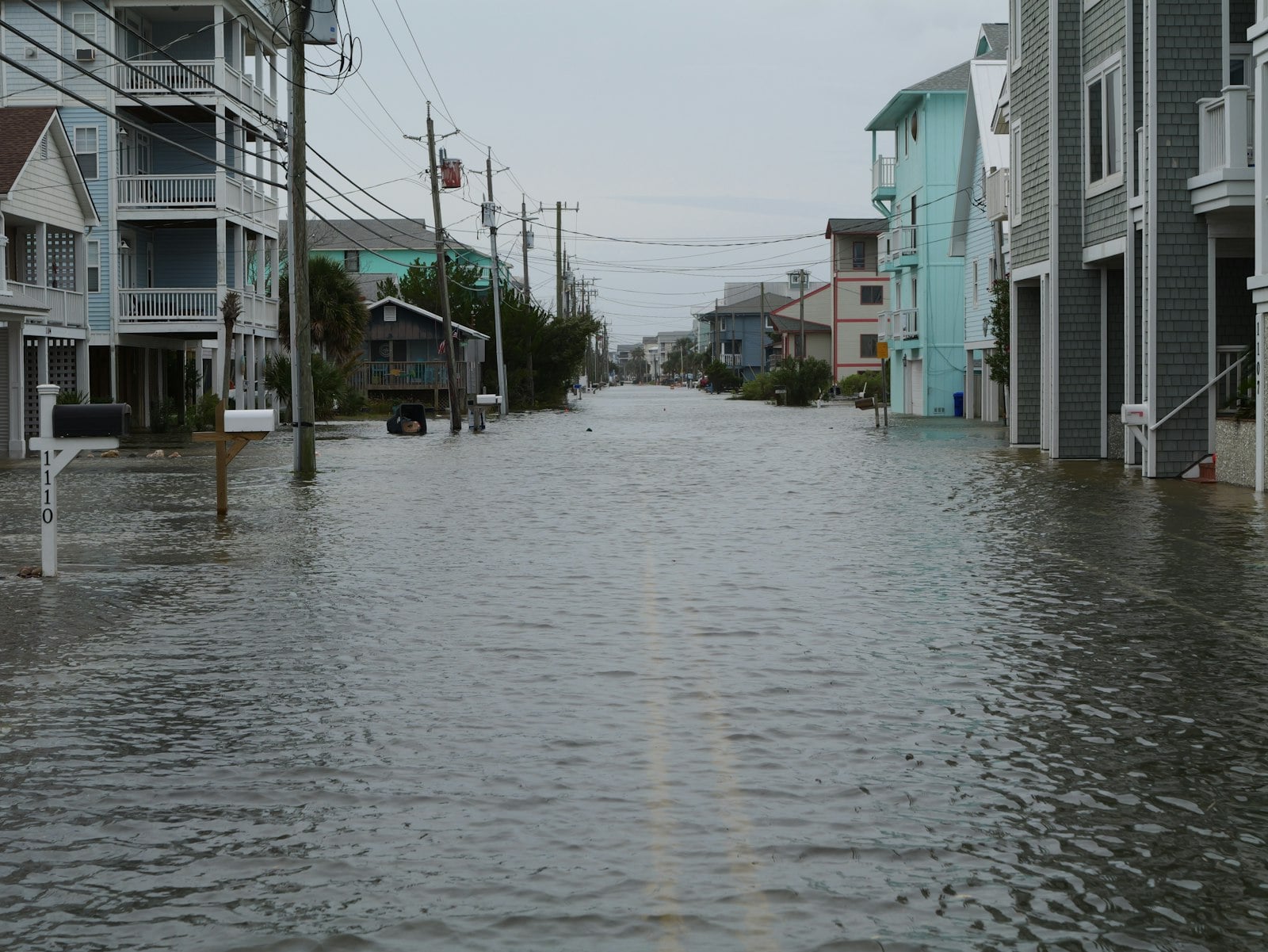
Water that came in from outside is handled differently from a clean supply leak, because of what it carries into the house with it.
Storm and Flood Cleanup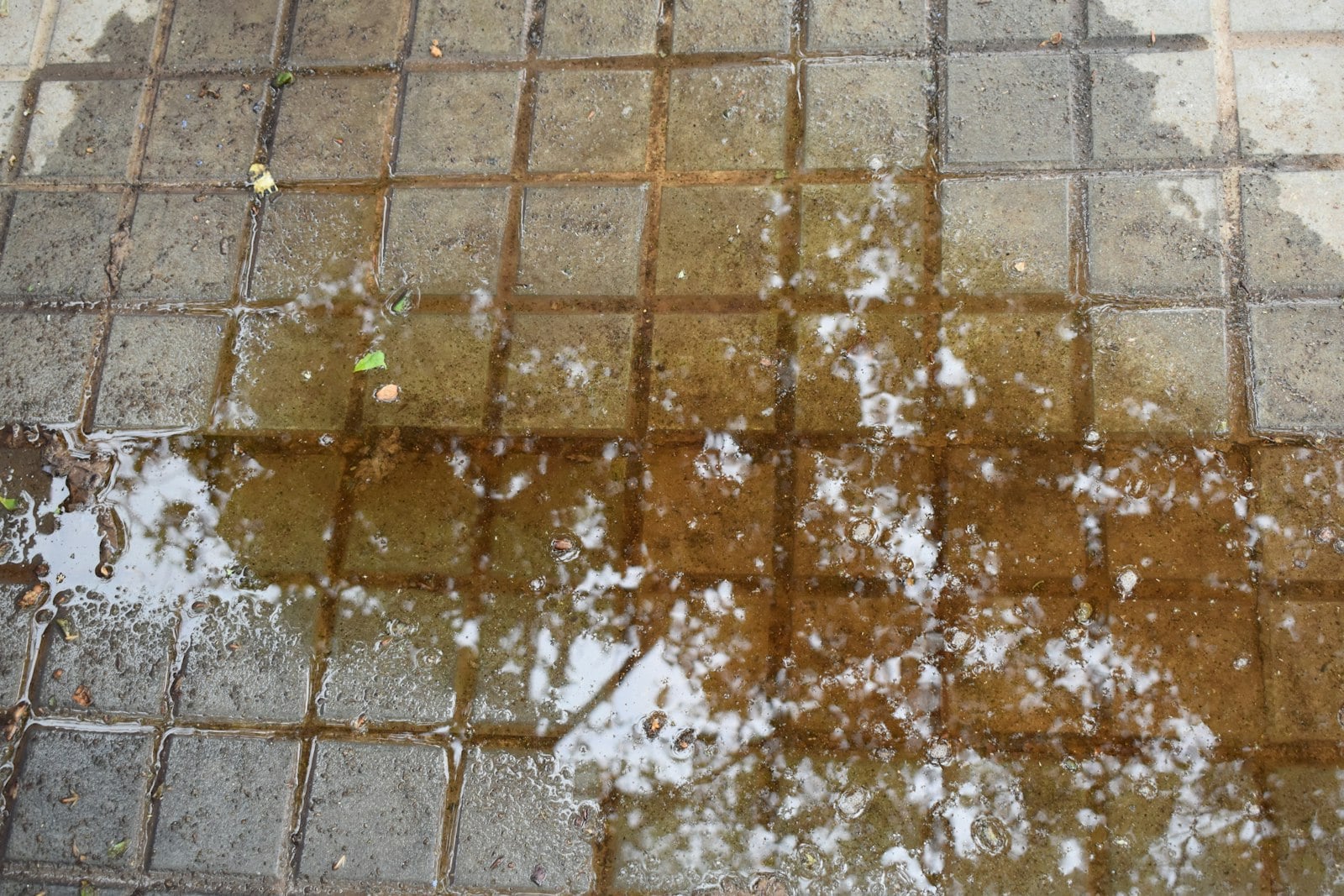
A backup at a floor drain, tub or toilet is a health hazard. Keep everyone out of the room and let a crew remove it in protective gear.
Sewage Backup Cleanup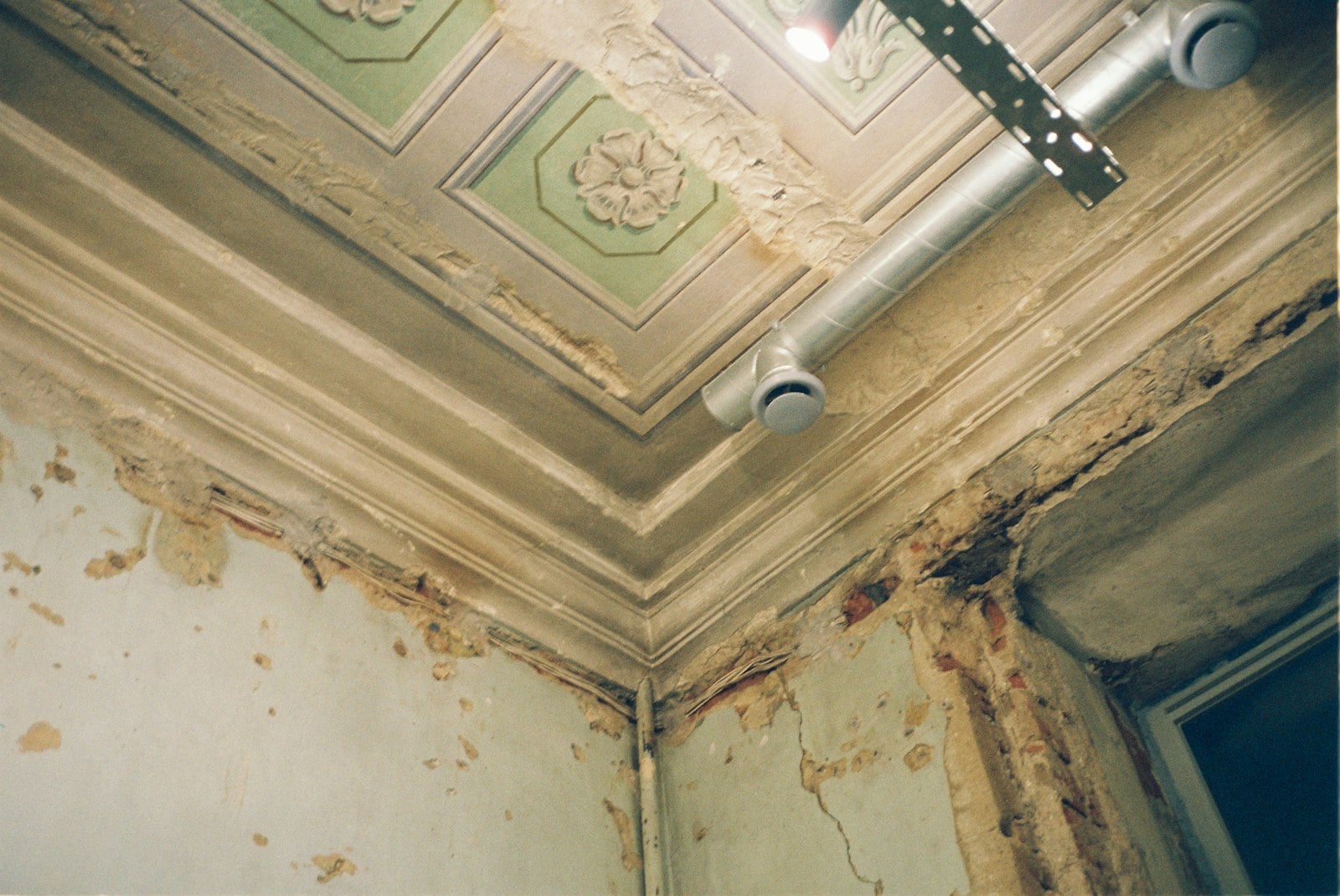
In this climate a damp wall cavity can start growing mold within a day or two. The water source has to be stopped before anything is cleaned or sealed.
Mold Remediation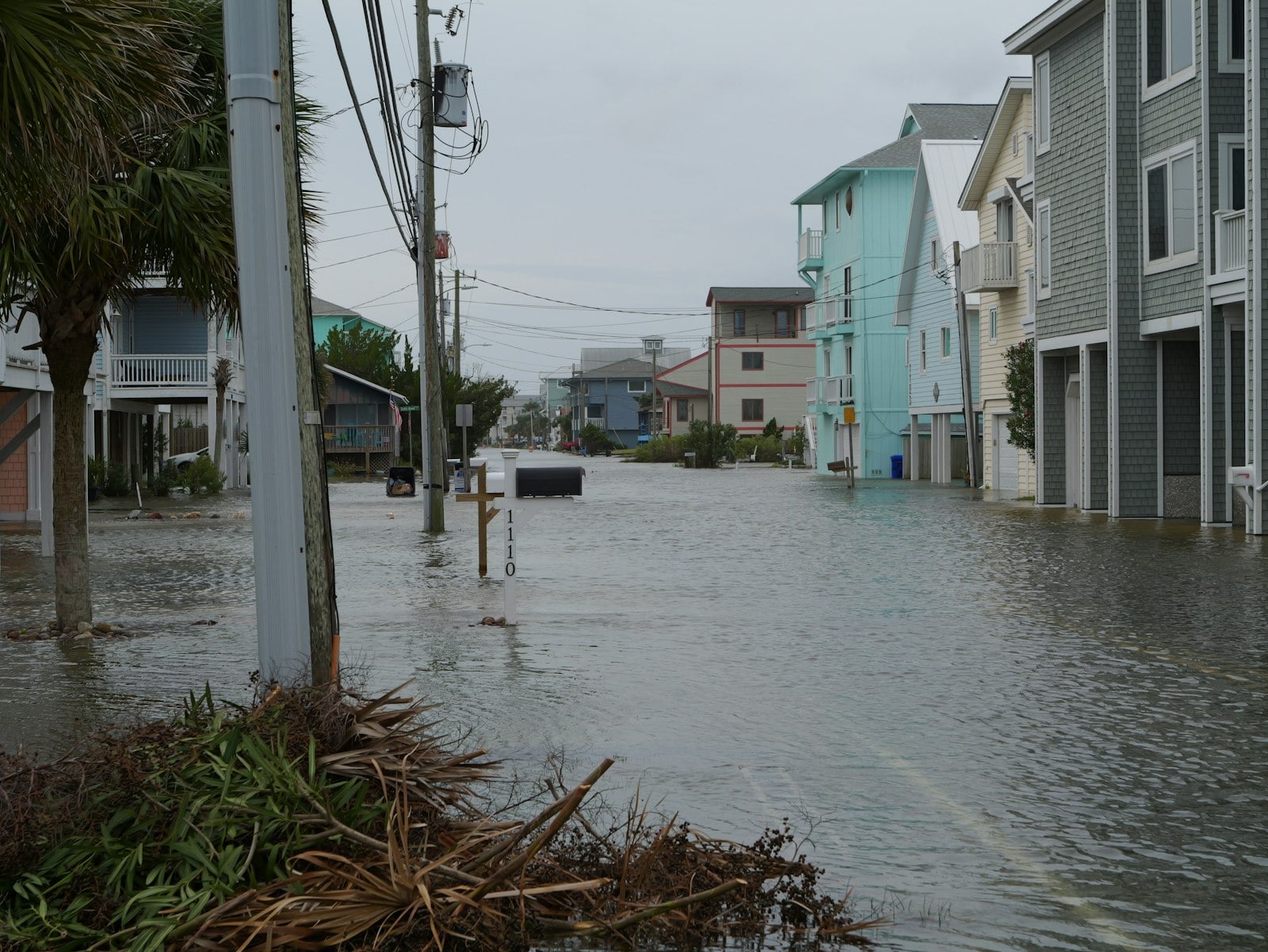
Shops, offices and rental buildings need the work staged around opening hours and documented room by room for the owner and the insurer.
Commercial Restoration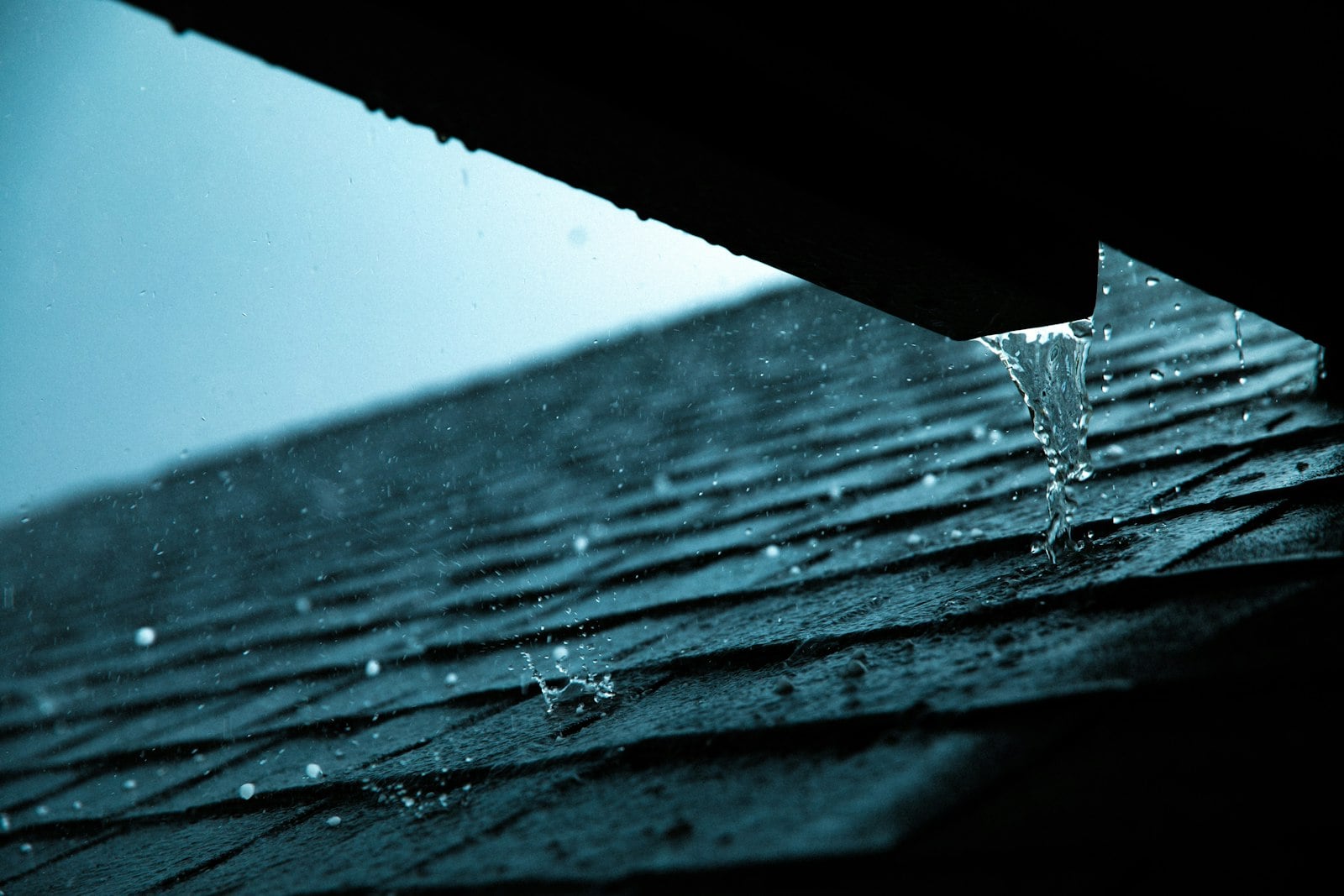
Rain driven under a tile or shingle edge soaks the attic and the ceiling below, and the stain often appears in a room nowhere near the roof damage.
Roof Leak Cleanup
Dishwashers, laundry hoses, ice-maker lines and heater tanks empty into cabinet bases and across the slab while nobody is home.
Appliance Leak CleanupThe category of water, the materials it touched and how long it sat decide almost everything else. Tampa Water Damage Repair works through the same sequence whether the call is a laundry hose or a flooded first floor.
Nothing useful happens while water is still arriving. Once the source is off or contained, meters and thermal imaging show the real edge of the wet area, which is almost always wider than the visible stain.
Framing, concrete and solid wood often dry in place. Carpet pad, wet insulation, particleboard cabinet bases and saturated drywall usually do not, and pretending otherwise turns into a mold call later.
Photographs, moisture readings and a list of what was removed are taken throughout, so you have a record for your own files and for an insurance claim if you file one.
If water is moving right now, the fastest route is a phone call; extraction is the first job regardless of the cause. If the water has stopped and you are trying to work out how bad it is, the hidden damage guide covers what to look for.
When the question is whether wet material can be saved, read drying and restoring versus tearing out and replacing. To see how a visit is arranged from the first call onward, see how it works, or check the communities we cover.
Tell us where the water is and what it came from so the right response can be planned.