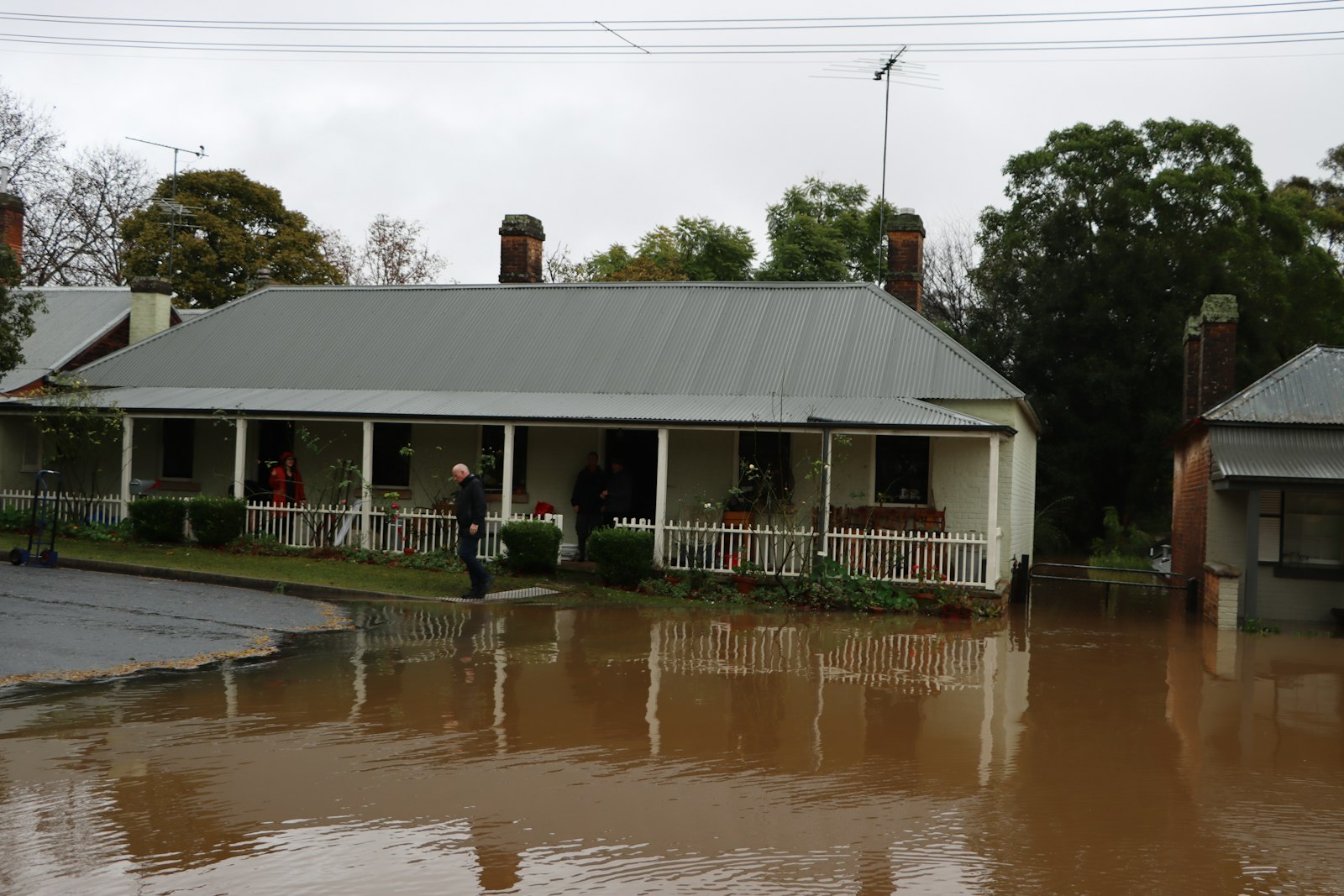
St. Petersburg, FL
Much of the Pinellas peninsula sits low and close to the water, so surge and street flooding reach houses that stay dry the rest of the year.
View St. Petersburg serviceTampa Water Damage Repair takes water damage calls across Hillsborough, Pinellas and Pasco counties. Coverage is confirmed by street address rather than by city name alone, so tell us exactly where the property is.
Much of the Pinellas peninsula sits low and close to the water, so surge and street flooding reach houses that stay dry the rest of the year.
View St. Petersburg service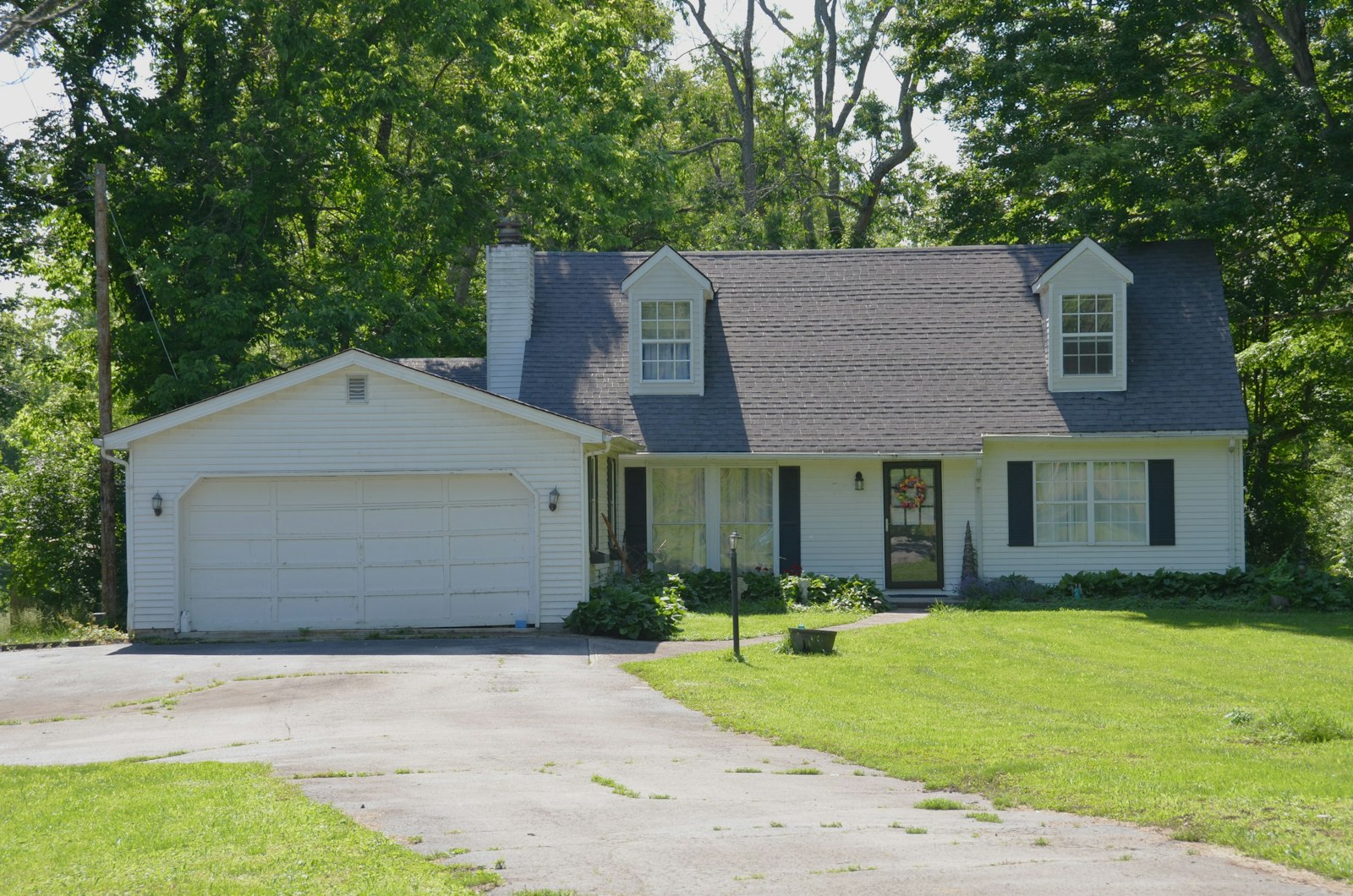
Established neighborhoods east of the Selmon Expressway, with mature trees over the roofline and supply lines that have been in service for decades.
View Brandon service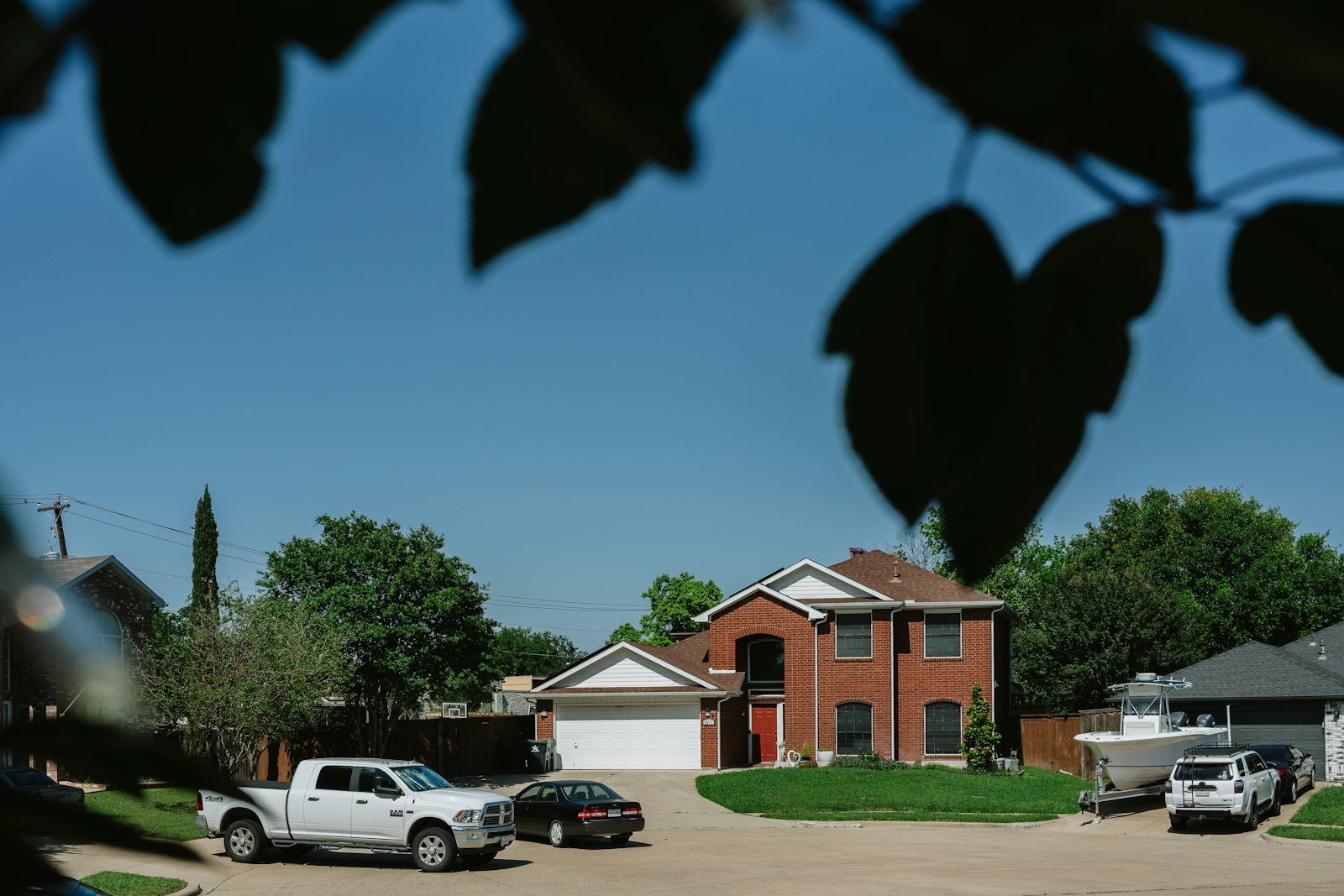
Newer southeast Hillsborough subdivisions, where a leak on a second floor can put water through two levels before anyone hears it.
View Riverview service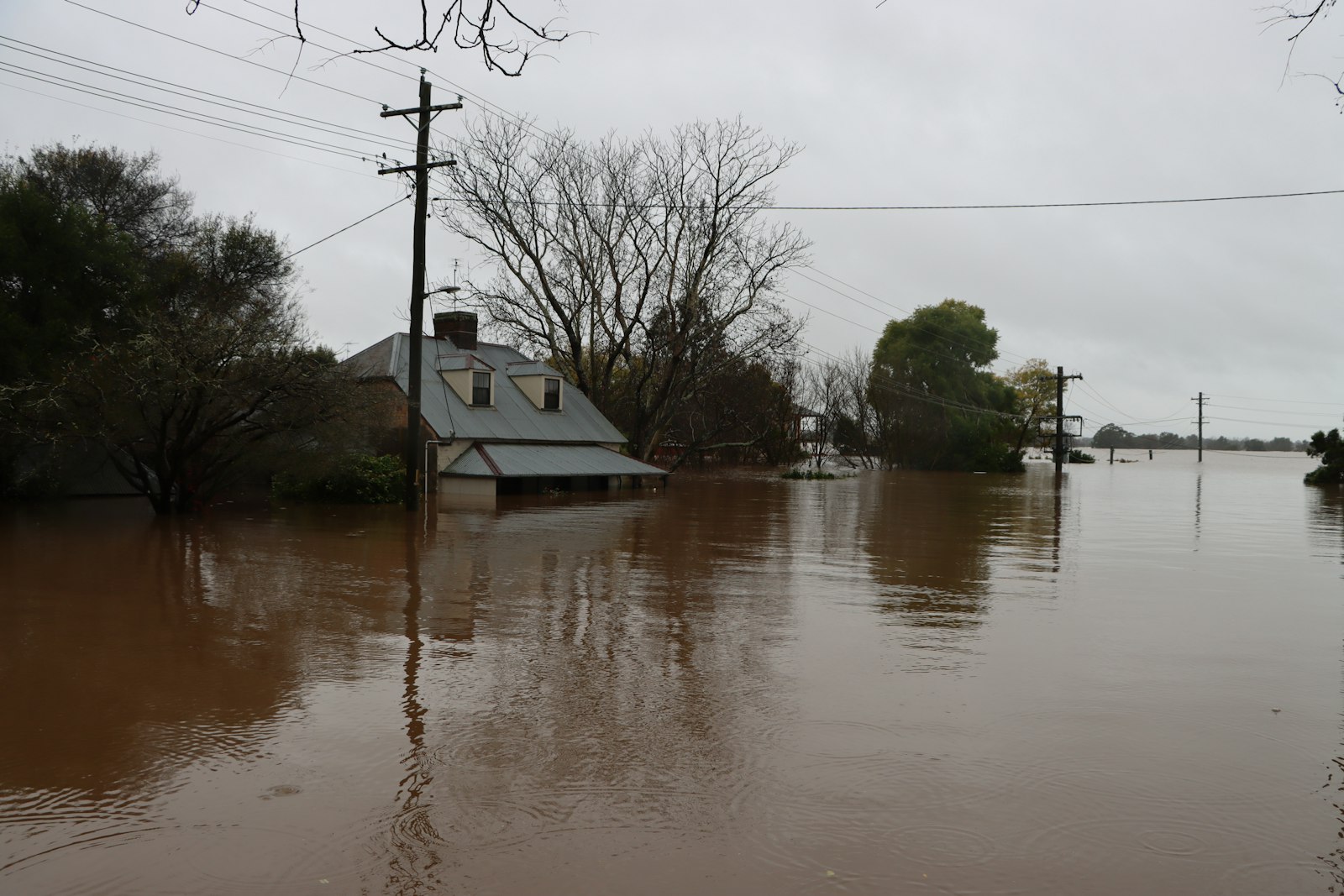
Fast-growing Pasco County neighborhoods with retention ponds behind the lots and heavy afternoon storms through the summer.
View Wesley Chapel service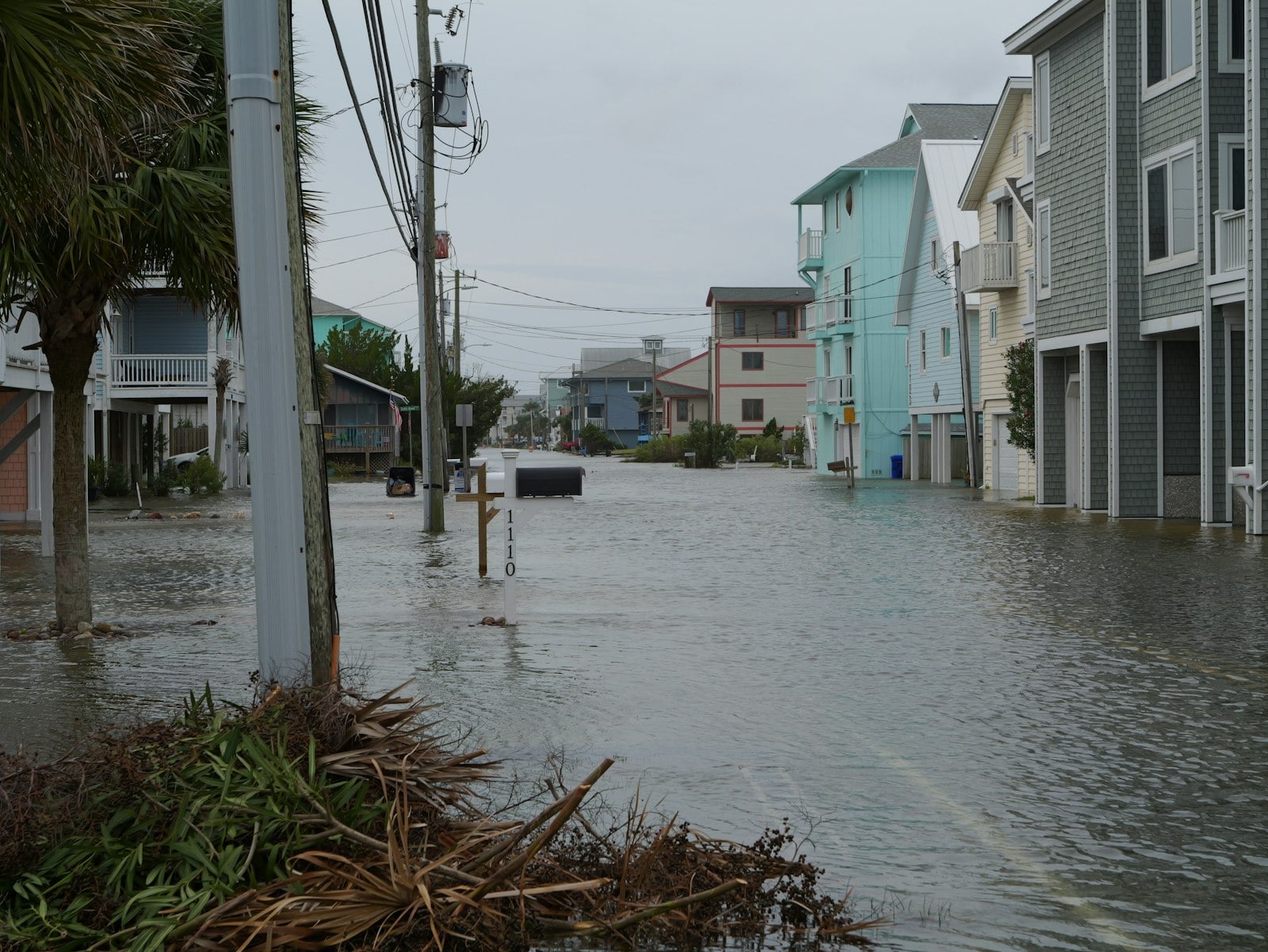
Coastal Pinellas property, from beachfront condos to inland ranch homes, where wind-driven rain and rising water both turn up.
View Clearwater service
Ranch homes built in the 1960s and 1970s, where roof leaks and tired supply lines are the causes we see most.
View Carrollwood service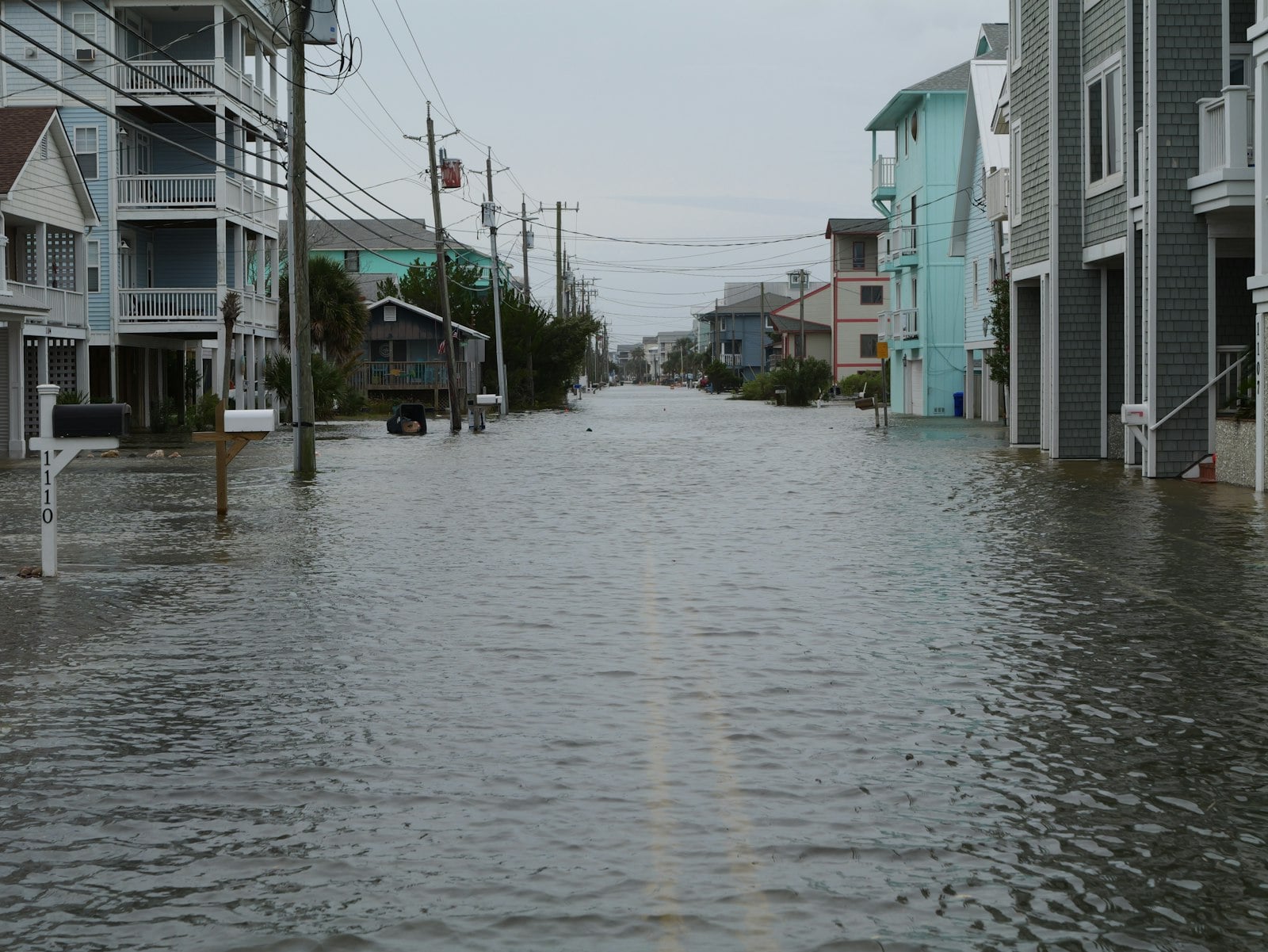
Pasco homes on larger lots, where water can run unnoticed in a back bedroom, a laundry room or a rarely used bathroom.
View Land O' Lakes service
A small city in a bend of the Hillsborough River, with 1950s and 1960s ranch homes sitting under a heavy oak canopy.
View Temple Terrace service
Large lots north of the city, many of them on a private well and septic, where a leak can run for days before anyone notices.
View Lutz serviceTampa Bay does not behave like one place when water is involved. A house in an evacuation zone near the bay, a second-floor condo on the beach and a two-story home on a Pasco cul-de-sac each need a different plan, different equipment and sometimes different access arrangements.
Say whether the building is on the coast, near a creek or retention pond, or inland. Water that arrived from outside is treated as contaminated, which changes what can be saved.
Gated communities, condo buildings and narrow driveways affect how equipment reaches the wet area. Elevator access and loading-dock hours matter in a building.
In a condo or a rental, the unit owner, the association and the property manager may all need to be in the loop. Tell us who signs off so the visit is not held up.
Every area page lists what tends to cause water damage in that community and what to tell us when you call. If your address is not listed, get in touch anyway; neighboring streets are often covered.
Before the visit, it helps to read how the service works and, if material is already wet, what usually dries and what usually gets replaced.
Start with emergency extraction if water is still standing, or check service request availability to plan a scheduled inspection.
Tell us where the water is and what it came from so the right response can be planned.