Emergency Water Extraction
Water sitting on a floor keeps soaking into everything it touches. Getting it out comes first, and that takes pumps and extraction units rather than towels.
Emergency Water ExtractionA leak or a storm puts water in places you cannot see: under tile, behind baseboards, inside wall cavities. Tampa Water Damage Repair answers the phone day and night in Tampa, removes the water, dries what stayed wet and explains the work before it starts.
Water sitting on a floor keeps soaking into everything it touches. Getting it out comes first, and that takes pumps and extraction units rather than towels.
Emergency Water Extraction
A floor can feel dry and still hold moisture in the subfloor and the bottom of the walls. Drying is finished when the meter says so, not when surfaces look normal.
Structural Drying
A supply line that lets go while nobody is home can run for hours. On a slab there is nowhere for that water to drain, so it travels sideways across the floor.
Burst Pipe Cleanup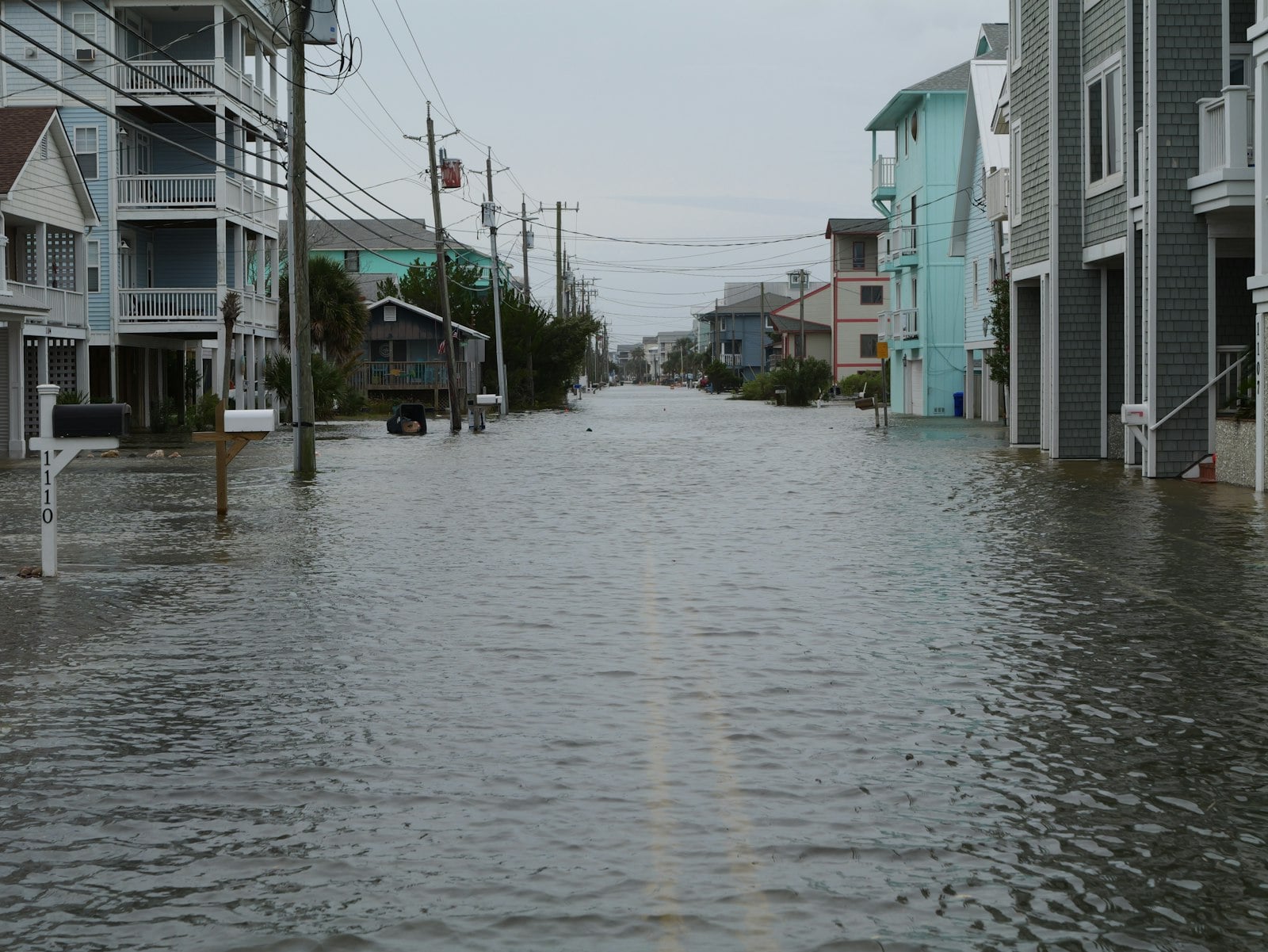
Water that came in from outside is handled differently from a clean supply leak, because of what it carries into the house with it.
Storm and Flood Cleanup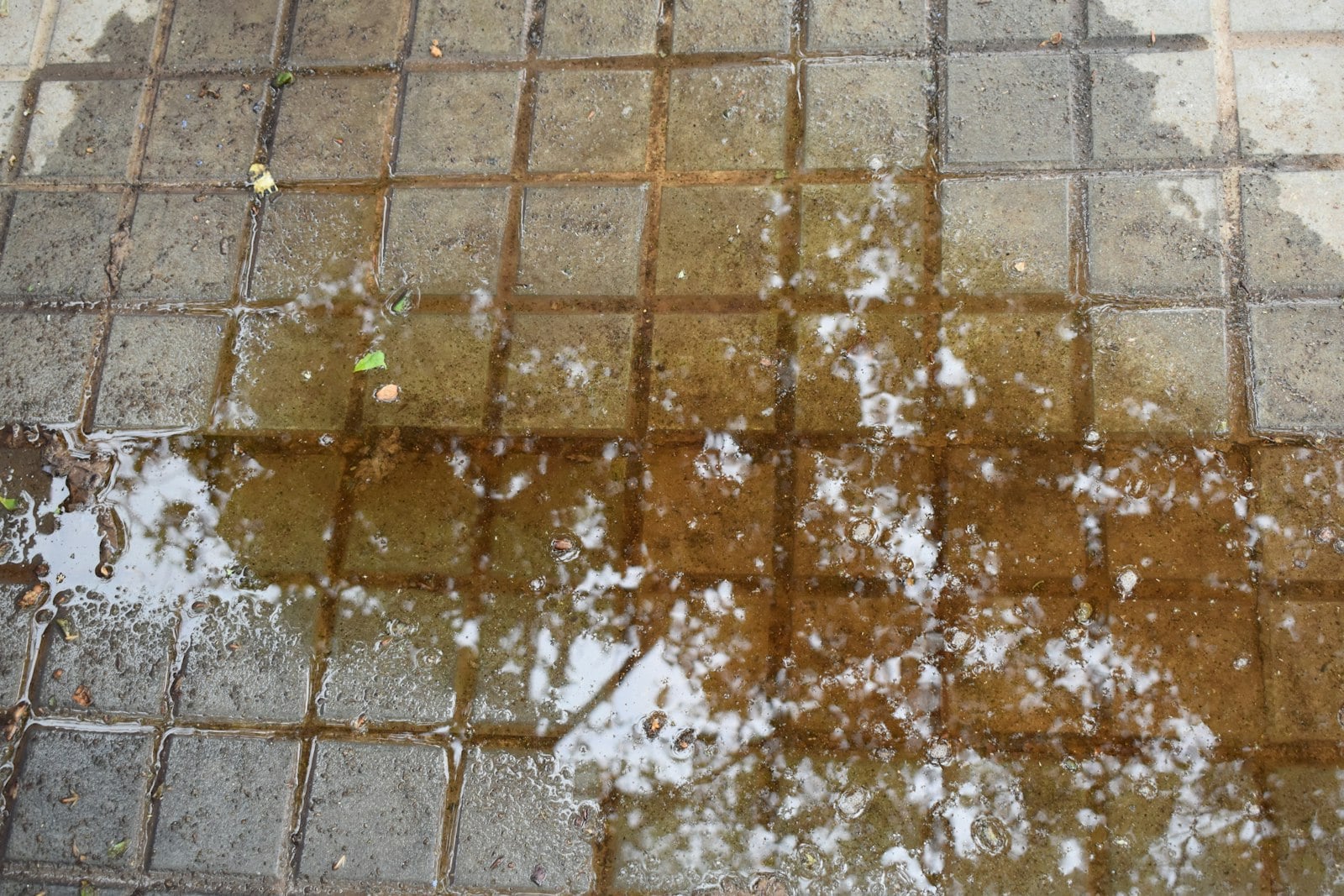
A backup at a floor drain, tub or toilet is a health hazard. Keep everyone out of the room and let a crew remove it in protective gear.
Sewage Backup Cleanup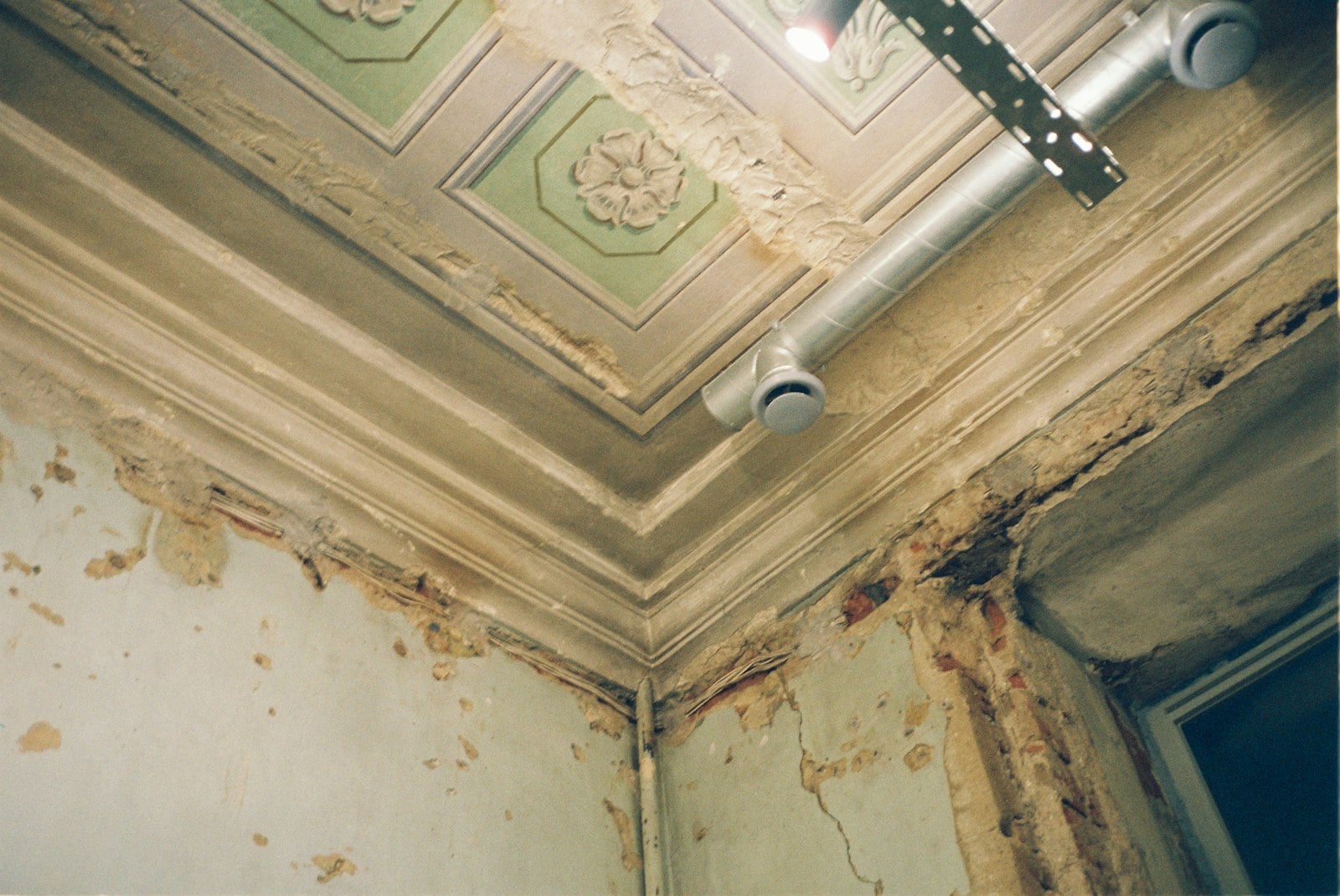
In this climate a damp wall cavity can start growing mold within a day or two. The water source has to be stopped before anything is cleaned or sealed.
Mold Remediation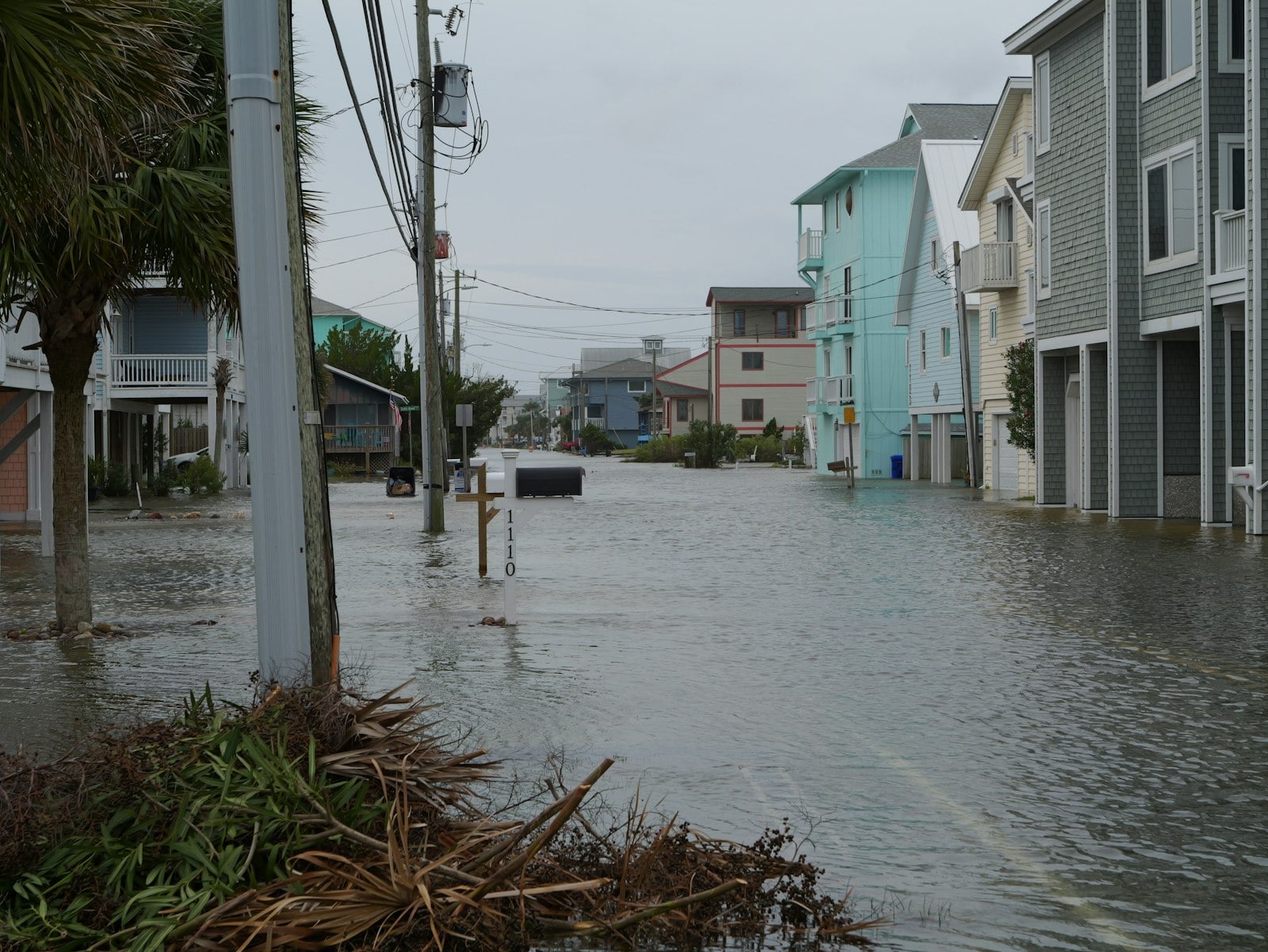
Shops, offices and rental buildings need the work staged around opening hours and documented room by room for the owner and the insurer.
Commercial Restoration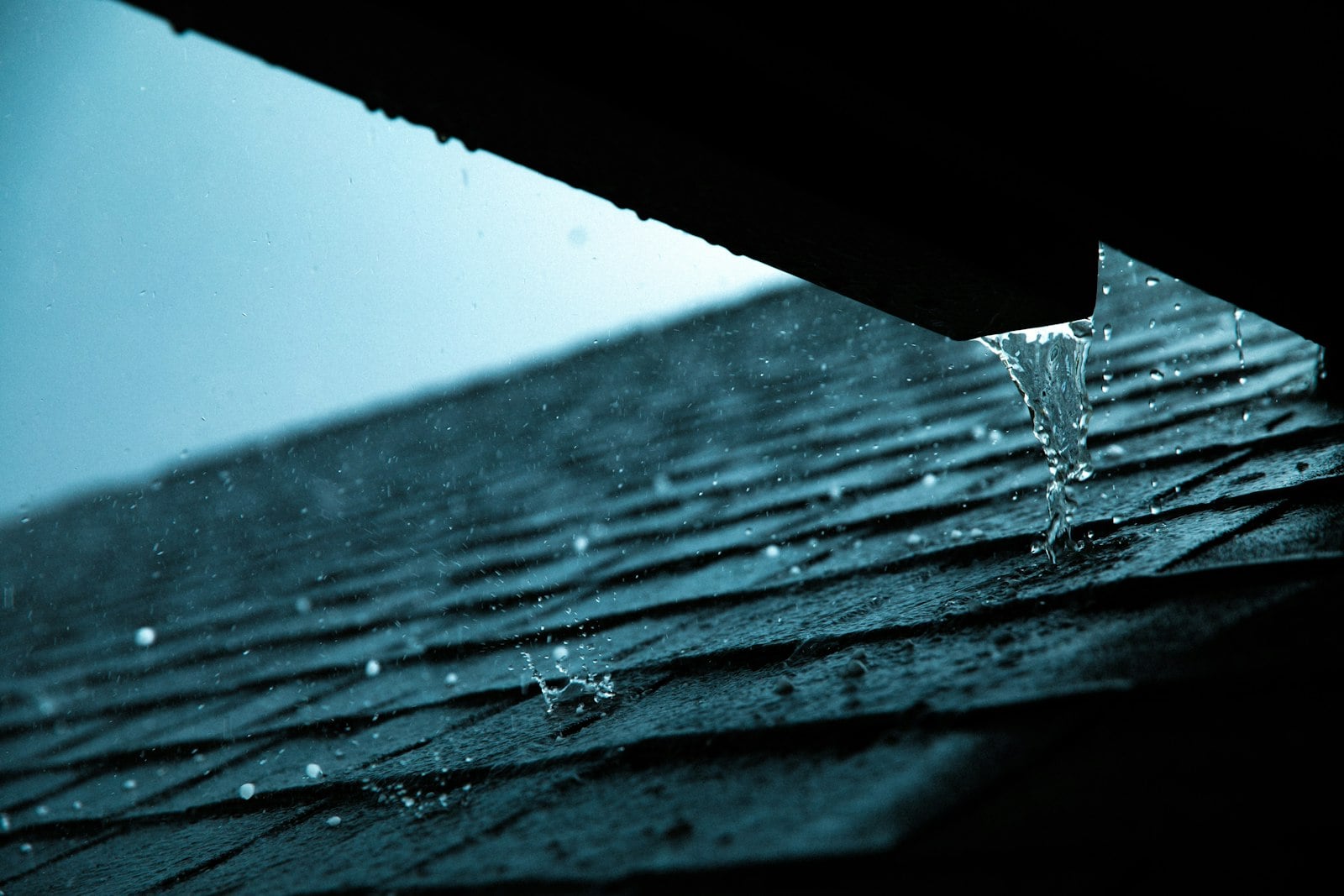
Rain driven under a tile or shingle edge soaks the attic and the ceiling below, and the stain often appears in a room nowhere near the roof damage.
Roof Leak Cleanup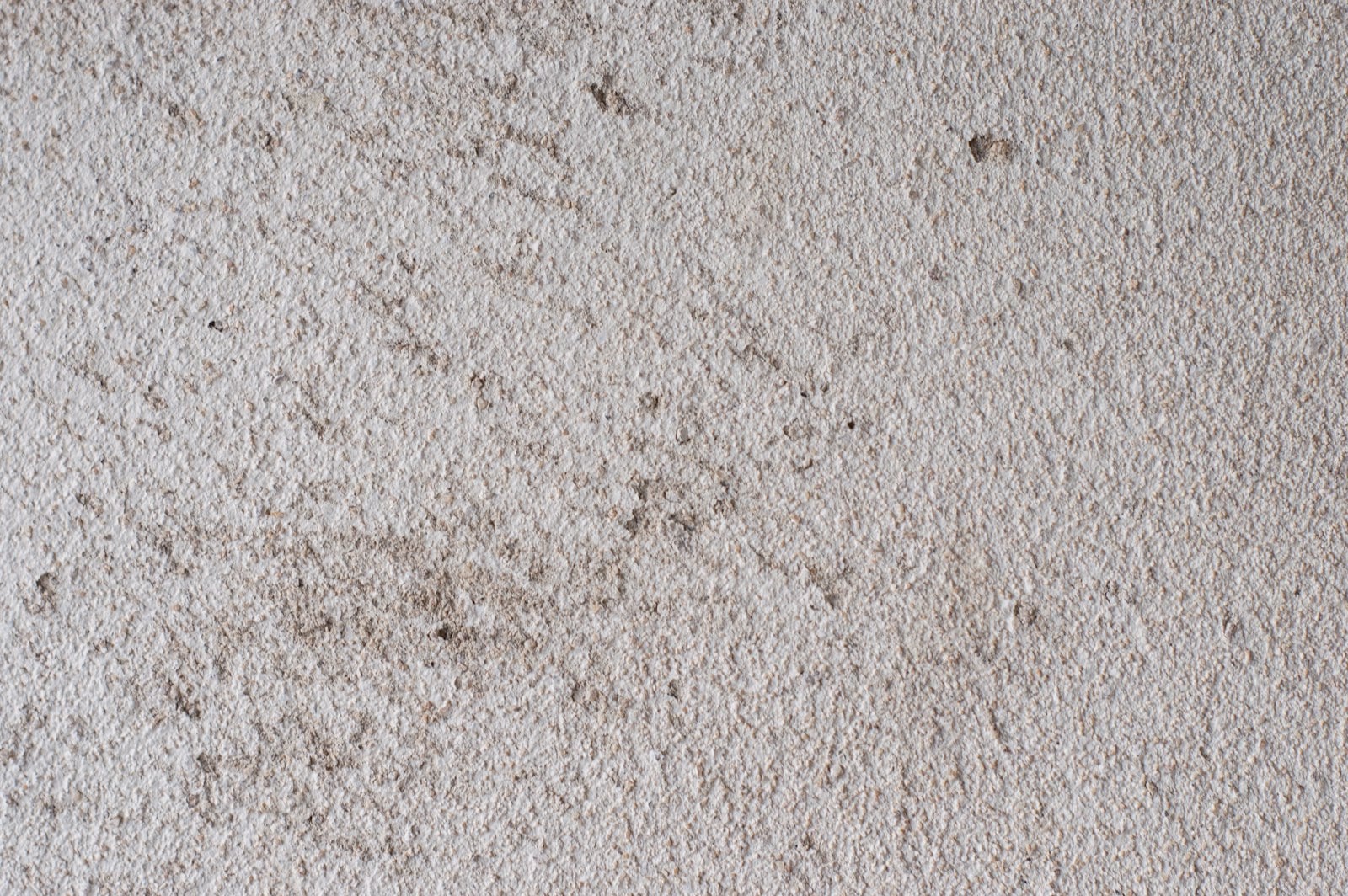
Dishwashers, laundry hoses, ice-maker lines and heater tanks empty into cabinet bases and across the slab while nobody is home.
Appliance Leak CleanupMoisture meters and thermal imaging show how far the water actually traveled under flooring and behind walls. That map decides what is dried in place and what has to come out.
Tampa Water Damage Repair explains what is wet, what the drying plan is and what the work costs before any equipment is set. Where there is more than one sensible approach, you hear both.
Give us the property address and say whether water is still arriving. That decides whether a crew heads out now or the visit is booked for the morning.
Tampa houses sit on slabs with no basement, so water spreads sideways across the floor and wicks up into drywall and cabinet bases instead of draining away. Concrete block walls hold that moisture, and the humidity outside gives the building very little help drying on its own.
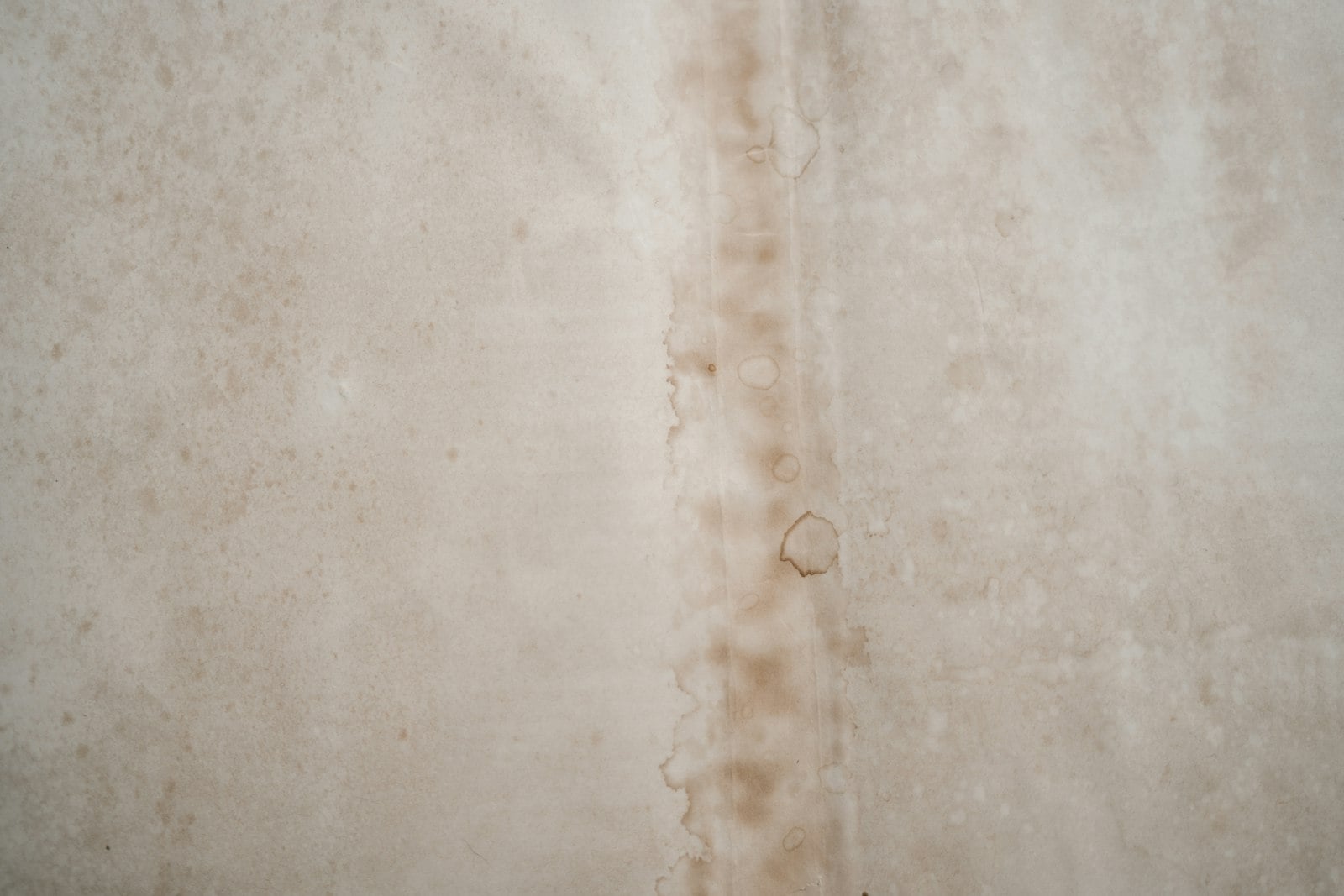
A brown ring that keeps getting bigger means water is still arriving from somewhere above. Photograph it, put a bucket under it and leave the drywall alone.
What to look forCarpet can feel damp for days after the surface water is gone, because the pad underneath is holding it. That pad is usually what has to come out.
How drying worksA clogged condensate line is one of the most common water calls in this area. The pan overflows and the water runs into the closet, the hallway or the ceiling below.
Get the water out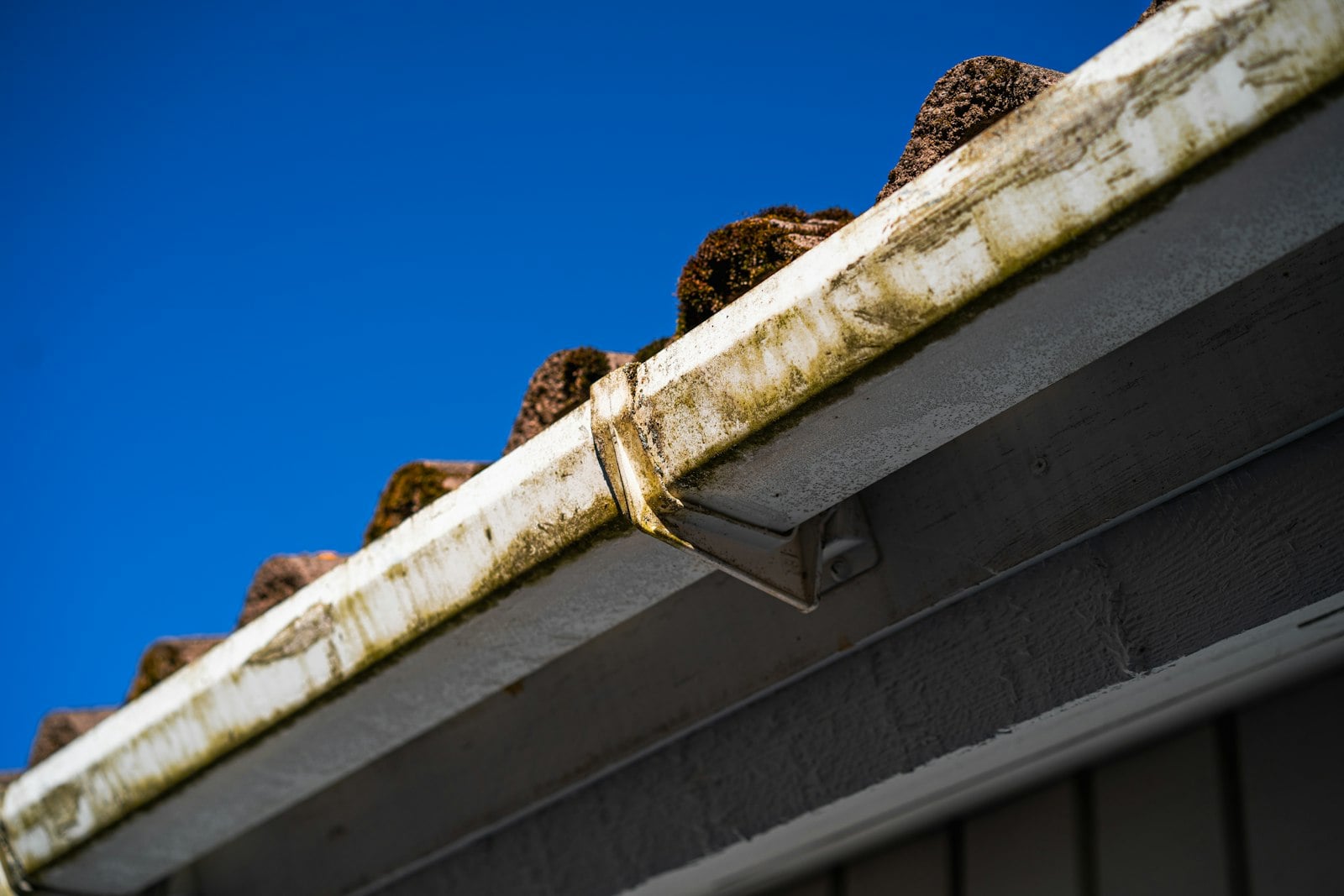
After a storm, water tracks along framing and shows up in a room nowhere near the roof damage. The wet path has to be traced before anything is patched.
Storm damage cleanup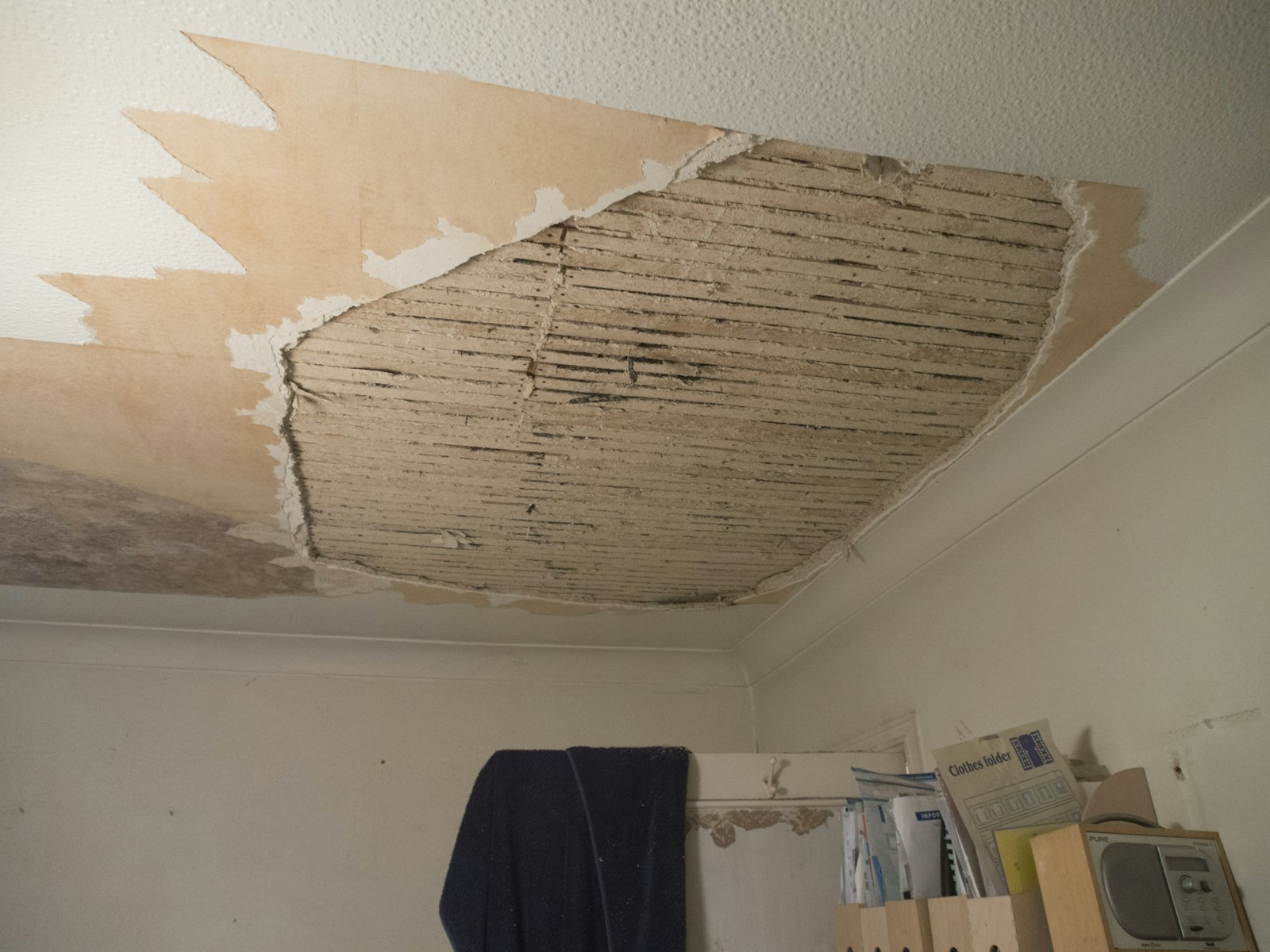
A smell that lingers after the floor dries usually means something behind the wall or under the cabinets is still wet. Air freshener hides it; it does not fix it.
Mold after a leak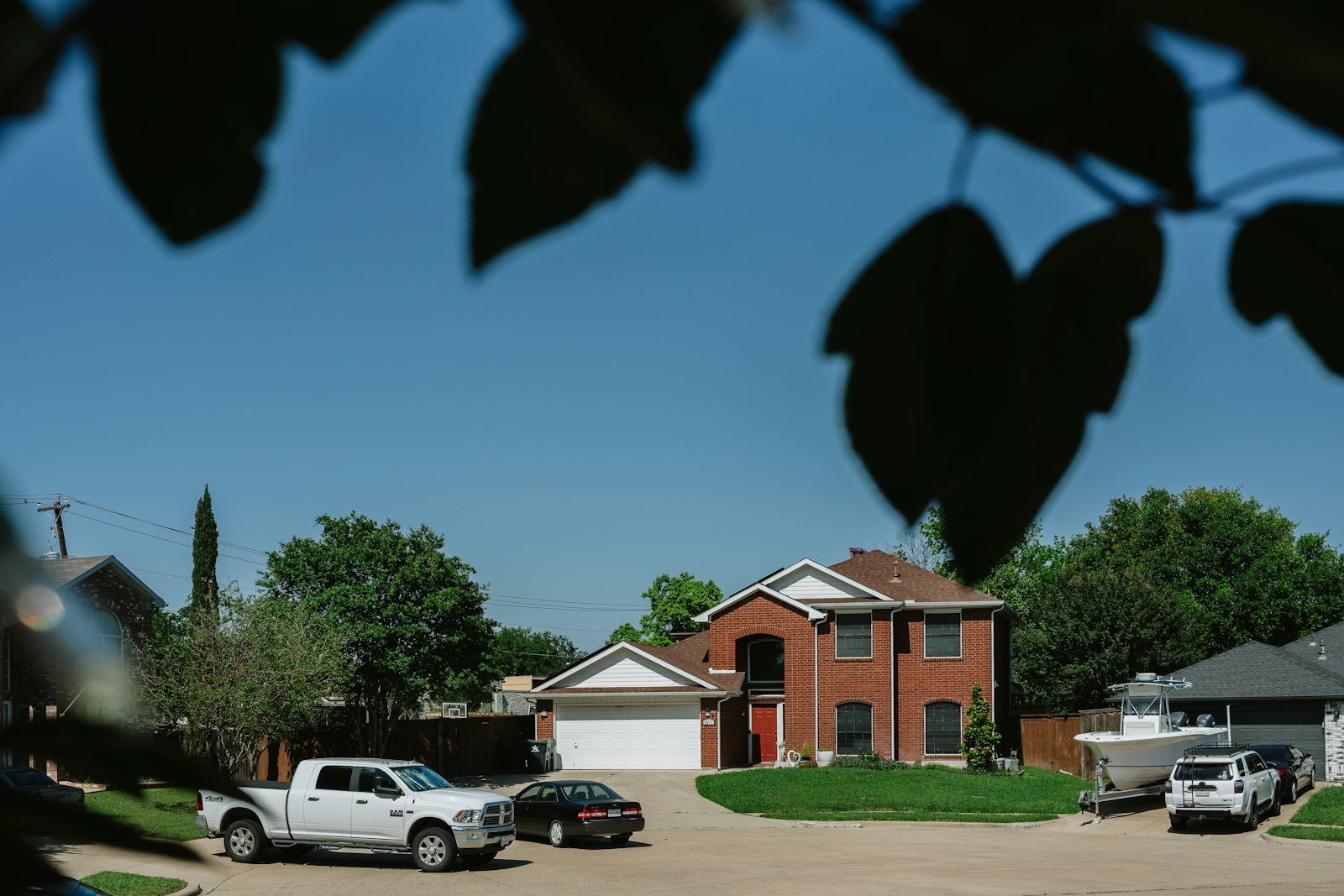
Some wet material dries in place and some has to be removed. The difference comes down to what it is made of and how long it has been wet.
Compare the optionsSay where the water is coming from, how long it has been running and which rooms are wet. If it is still flowing, lead with that.
Confirm the address, any gate or building entry code and where a crew can park. Nothing needs to be cleaned up before the visit.
Once the wet area is mapped, Tampa Water Damage Repair explains what gets extracted, dried or removed, and what it costs, before equipment goes in.
Drying is monitored until moisture readings in the structure are back to normal, and you get a written record of what was done.
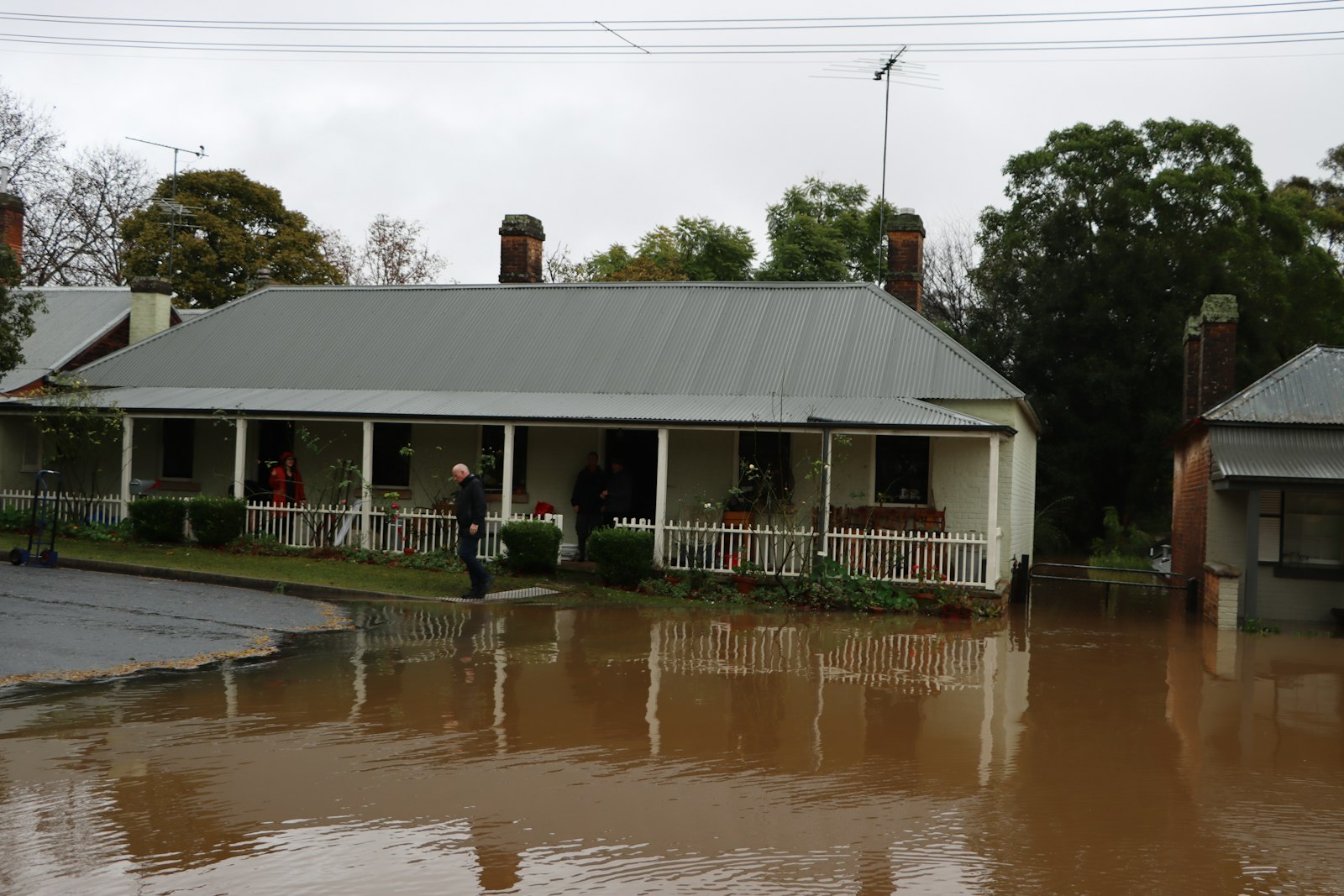
Much of the Pinellas peninsula sits low and close to the water, so surge and street flooding reach houses that stay dry the rest of the year.
View St. Petersburg service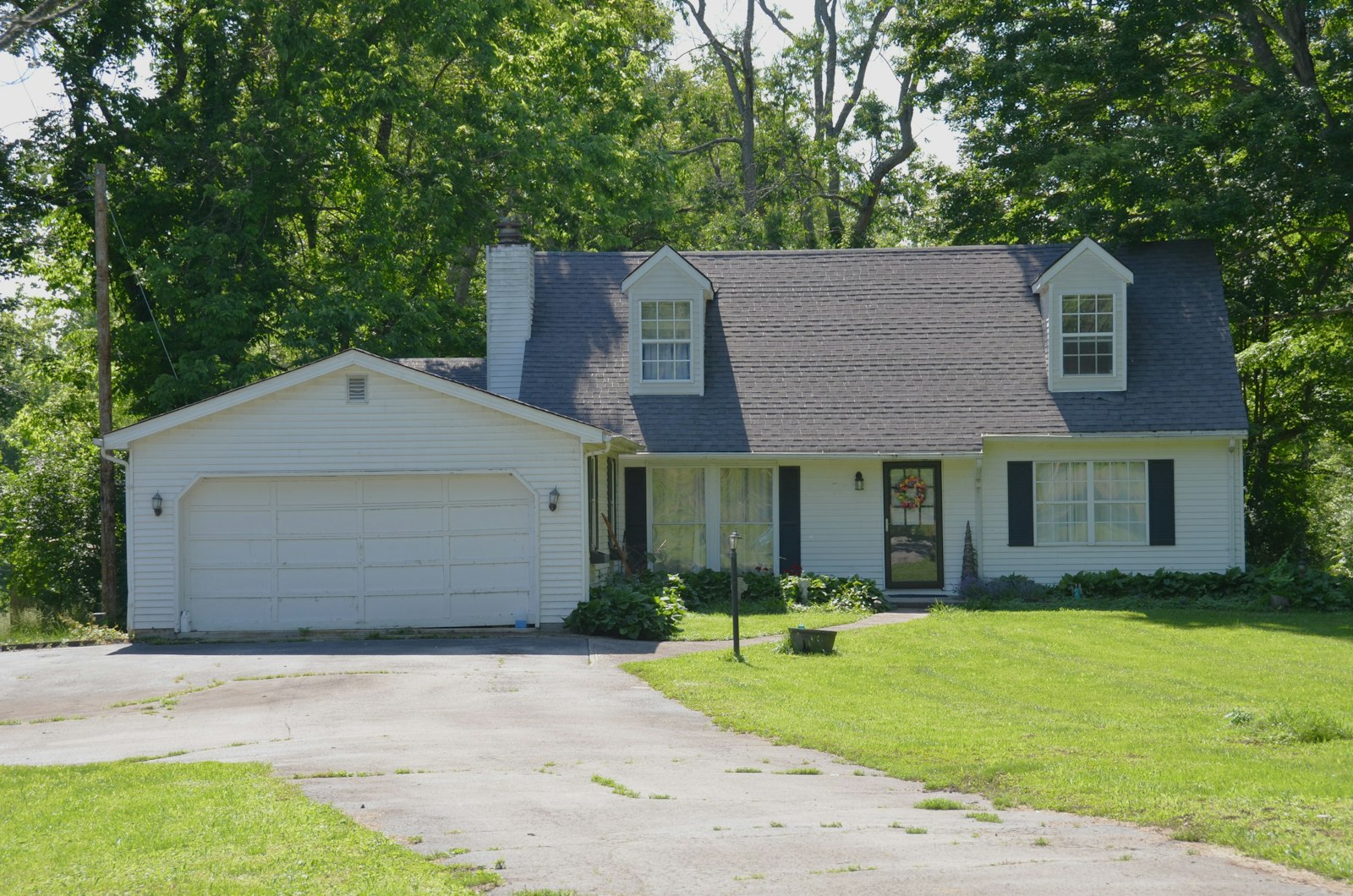
Established neighborhoods east of the Selmon Expressway, with mature trees over the roofline and supply lines that have been in service for decades.
View Brandon serviceNewer southeast Hillsborough subdivisions, where a leak on a second floor can put water through two levels before anyone hears it.
View Riverview service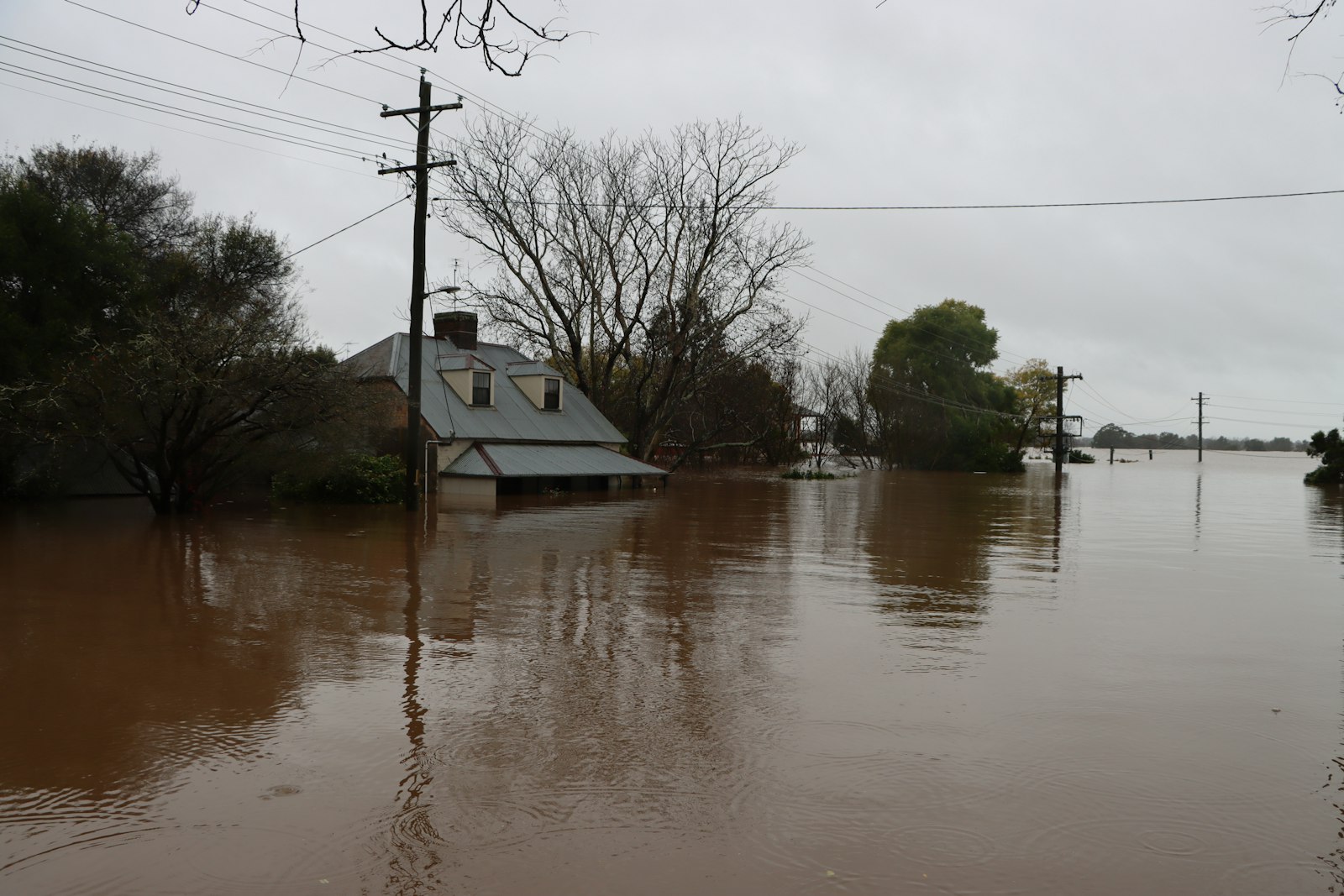
Fast-growing Pasco County neighborhoods with retention ponds behind the lots and heavy afternoon storms through the summer.
View Wesley Chapel serviceCoastal Pinellas property, from beachfront condos to inland ranch homes, where wind-driven rain and rising water both turn up.
View Clearwater serviceRanch homes built in the 1960s and 1970s, where roof leaks and tired supply lines are the causes we see most.
View Carrollwood servicePasco homes on larger lots, where water can run unnoticed in a back bedroom, a laundry room or a rarely used bathroom.
View Land O' Lakes serviceA small city in a bend of the Hillsborough River, with 1950s and 1960s ranch homes sitting under a heavy oak canopy.
View Temple Terrace serviceLarge lots north of the city, many of them on a private well and septic, where a leak can run for days before anyone notices.
View Lutz serviceShut the main water valve if the source is inside and you can reach it safely, keep out of any room where water is near outlets or a panel, and photograph each room from the doorway before you move anything. Then call. The first 24 hours guide walks through the rest.
There is no flat rate, because the wet area sets the work: how many rooms, what the water soaked, how much material comes out and how much drying equipment the plan needs. Tampa Water Damage Repair measures first and gives you the price before anything starts. See how the visit is arranged.
Tampa Water Damage Repair takes calls across Tampa, Hillsborough, Pinellas and Pasco. Give us the street address and say whether water is still arriving, because coverage is confirmed by address rather than by city name. See the communities we cover.
Yes. Tampa Water Damage Repair answers the phone day and night, and an active leak is dispatched ahead of a job where the water has already stopped. After a major storm the whole region calls at once, so ask for realistic timing. Read about emergency water extraction.
Clean water caught quickly is often dried in place; anything porous that soaked dirty water, or that has been wet for days, usually comes out. The decision is made from moisture readings, material by material. Compare drying and restoring against replacing.
It depends on the material, how wet it is and how well the space can be closed off, so Tampa Water Damage Repair gives you a realistic estimate after the first readings rather than a number over the phone. Progress is logged daily until readings are back to normal. See how structural drying works.
In this humidity, damp drywall, carpet pad and cabinet bases can start growing mold within a day or two, which is why a small stain is worth acting on immediately. The water source has to be stopped before anything is cleaned. Read about mold remediation after water damage.
Water that comes in from outside is generally a separate flood policy matter rather than a homeowners policy matter, but only your insurer can tell you what you hold. Tampa Water Damage Repair makes no coverage promises and instead documents the damage thoroughly. Read the claim basics guide.
For a clean-water job, usually yes; the equipment is loud and the rooms get warm but the house stays usable. Contaminated water is different, because the affected area is sealed off and worked in protective gear. See how sewage backups are handled.
Supply lines and appliance hoses, air-conditioning condensate lines that back up, roof leaks after a storm, and water pushed in from outside during heavy rain or surge. Slab construction means it spreads sideways across the floor. See the full service list.
Tell us where the water is and what it came from so the right response can be planned.