Ceiling Water Damage Repair Cost in Tampa, FL
Ceiling water damage repair cost in Tampa depends on five things: what caused the leak, how far the water spread, whether the ceiling can be dried or must be cut out, what is above it, and how fast drying starts. This guide explains each driver so a written quote makes sense. Call to be connected with a local provider.
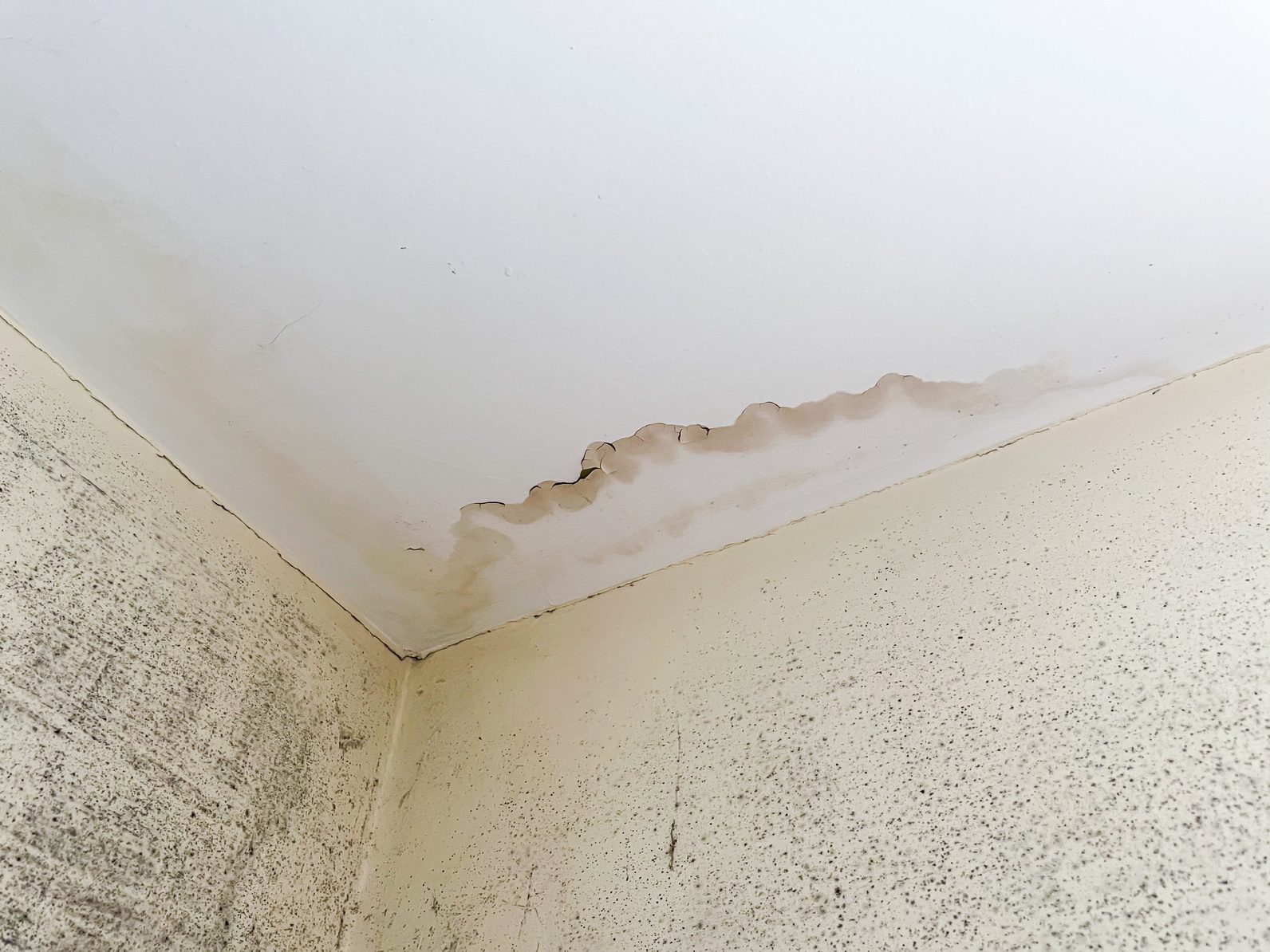
- The source of the leak usually has to be fixed first, and that work is often priced separately from the ceiling repair.
- The Florida Department of Health advises drying wet building materials and carpets in the first 24 hours to help limit mold.
- Ceiling drywall that sags, crumbles or stays wet is usually cut out, while a small stain over dry drywall may only need sealing and paint.
- Many policies treat sudden damage differently from gradual leaks. Check your policy and document everything.
- NWS Tampa Bay defines the West Central Florida rainy season as May 25 to October 10.
What affects ceiling water damage repair cost in Tampa?
Ceiling water damage repair cost in Tampa is mostly set by the size of the wet area, the leak source, the ceiling material, the drying needed and the finish work at the end. Two stains that look the same from below can lead to very different quotes once a provider checks moisture above them.
The main cost drivers are:
- The source. A roof leak, an AC drain line, a supply line or a bathroom above each needs a different fix before the ceiling is touched.
- How far the water traveled. Water runs along joists and settles in insulation, so the wet area is often larger than the stain.
- Dry in place or replace. Drying is usually less work than tear-out, but only if the drywall is still sound.
- Ceiling type and height. Textured, vaulted or very high ceilings take more time to patch and blend.
- Contamination. Dirty water or mold growth adds cleanup steps.
- Finish matching. Matching texture and paint across a whole room can add more than the patch itself.
Does the leak source change the cost of ceiling repair?
Yes. The leak source is often the biggest variable, because it has to be stopped before any ceiling work lasts, and that repair may be a separate job by a roofer, plumber or AC contractor.
Common sources in Tampa homes include:
- Roof leaks from storms, worn flashing or lifted shingles. See roof and ceiling leak water damage.
- AC condensate leaks from a clogged drain line or overflowing pan in an attic air handler.
- Plumbing leaks from a supply line, a toilet seal or a shower pan on the floor above. See burst pipe and leak cleanup.
- Water heaters placed in attics or upper floors.
Clean water from a supply line is usually simpler to handle than water that sat for days or came through a roof with debris.
How does the size of the wet area affect the price?
A larger wet area means more drywall to dry or replace, more insulation to check and more finish work, so cost rises with size. The visible stain is only a starting point.
Providers use moisture meters and sometimes thermal cameras to map where the water went. A ring the size of a plate can sit over wet drywall that spans a whole room. Water can also reach walls, cabinets and flooring below. A good scope lists each wet area by room so you can see what you are paying to dry or remove.
Need help now? Call to be connected with a local provider in Tampa who can check availability for your address.
Can a water-damaged ceiling be dried instead of replaced?
Sometimes. If the drywall is firm, the water was clean and drying starts quickly, a ceiling can often be dried in place and finished with a stain-blocking primer and paint. That usually keeps the cost lower than tear-out.
Replacement is more likely when:
- The ceiling sags, bulges or feels soft.
- The paper face is peeling or the gypsum crumbles.
- Insulation above is soaked and holding water against the drywall.
- The water was dirty or the area stayed wet long enough for mold growth.
For more on this choice, read dry and restore vs. tear out and replace. A sagging ceiling can drop without warning, so keep people and pets out of the room below it.
Why does wet insulation in the attic add to the cost?
Wet insulation adds cost because it often has to be removed and replaced, and it keeps the drywall below it damp. Blown-in insulation can hold a lot of water and dry slowly in a hot attic.
The attic also affects labor. Tight access, low roof pitch and attic heat during a Tampa summer slow the work. If ductwork or the air handler got wet, that adds inspection steps. Ask whether the quote includes attic work, insulation replacement or neither, so you can compare quotes fairly.
How do drying equipment and moisture checks affect the bill?
Drying is usually billed by the equipment used and the days it runs, plus monitoring visits. More water and more humid air mean more equipment or more days.
Air movers push air across wet surfaces, and dehumidifiers pull water out of the air. The Florida Department of Health says most experts suggest indoor relative humidity below 60%, and below 50% is ideal for controlling mold growth. In muggy weather, reaching dry readings can take longer. Learn more in how drying equipment works.
When does mold raise ceiling repair costs?
Mold raises costs when a ceiling stays wet long enough for growth to start, because cleanup then needs containment, removal of affected materials and extra care. The Florida Department of Health advises drying wet building materials and carpets in the first 24 hours to help limit this.
In Florida, mold assessment and mold remediation rules cover mold growth of more than 10 square feet, and the Department of Business and Professional Regulation (DBPR) licenses individual mold assessors and remediators. The Department of Health does not recommend mold testing or sampling to see if you have a mold problem. See mold remediation after water damage.
Will homeowners insurance help with ceiling water damage costs?
It depends on your policy and on what caused the leak. Many policies treat sudden damage differently from gradual leaks, so check your policy and document everything before repairs start.
- Photograph the ceiling, the stain edges and any dripping before anything is moved.
- Save receipts for buckets, tarps and fans.
- Keep a copy of the written scope and moisture readings.
Under section 627.70132, Florida Statutes, notice of a new or reopened property insurance claim must be given within 1 year after the date of loss. This is general information, not legal advice. See water damage insurance claim basics.
What happens during the visit?
During the visit, a local provider inspects the ceiling and the area above it, explains your options and gives a written quote before any work starts.
- Inspection: moisture readings across the ceiling, nearby walls and floors, plus a look in the attic or the room above to find the source.
- Options explained: what can be dried, what likely needs to come out, and what other trades may be needed to stop the leak.
- Written quote: a room-by-room scope you can review and share with your insurer.
Drying time depends on materials, water amount and weather, so no fixed timeline can be promised.
Why Tampa Bay weather affects ceiling leak repairs
Tampa Bay ceilings face water from above for much of the year. NWS Tampa Bay defines the rainy season for West Central Florida as May 25 to October 10 and says hail, damaging winds, heavy rain and frequent lightning are common from late May through June. The Atlantic hurricane season runs from June 1 to November 30, and the National Hurricane Center says it peaks on September 10.
Those storms test roofs, and humid air slows drying once water gets in. If the water came from rising flood water, the Florida Department of Financial Services says flood damage is not covered by a homeowners policy, so the cause of the leak matters for both scope and coverage.
Calls about stained, sagging or dripping ceilings come in from Tampa, Brandon, Riverview, Carrollwood, Wesley Chapel and St. Petersburg. Call to be connected with a local provider who can check availability for your address.
Related pages
Questions people ask
What is the average ceiling water damage repair cost in Tampa?
There is no single average, because each ceiling has a different leak source, wet area and finish. A local provider can inspect it and give a written quote that lists each cost driver.
Why do two quotes for the same ceiling stain look so different?
Quotes often differ in scope. One may include attic insulation, drying days or texture matching, while another covers only a patch. Compare line by line.
Is it cheaper to dry a wet ceiling or replace the drywall?
Drying in place is usually less work when the drywall is firm and the water was clean. Sagging, crumbling or moldy drywall usually has to be replaced.
Do I need to fix the roof leak before repairing the ceiling?
Yes. The source has to be stopped first, or the new ceiling will get wet again. Roof work is often quoted separately by a roofer.
Can I just paint over a water stain on my ceiling?
Only after the leak is fixed and the drywall is confirmed dry. Use a stain-blocking primer first, or the stain usually bleeds through new paint.
How do I know if my ceiling drywall needs to be replaced after a leak?
Look for sagging, soft spots, peeling paper or crumbling edges. A moisture meter reading is the surest way to know if it is still wet inside.
Is a sagging ceiling dangerous?
It can be. A ceiling holding water can drop suddenly, so keep people and pets out of the room below and call for help right away.
Should I poke a hole in a bulging ceiling to let the water out?
Many people do this to limit spread, but it is safer to leave it to a professional. If you must, turn off power to nearby lights, stand to the side and put a bucket below.
Does an AC leak in the attic cause ceiling damage in Florida homes?
Yes, often. A clogged condensate drain or overflowing pan in an attic air handler can soak insulation and stain the ceiling below.
Does wet attic insulation have to be replaced?
Often, yes. Soaked insulation holds moisture against the drywall and loses its fit, so it is usually removed and replaced.
How long does it take a wet ceiling to dry in Tampa?
It depends on how much water got in, the materials and the humidity. A provider tracks moisture readings until the materials reach dry levels, so no fixed time can be promised.
Will homeowners insurance pay for ceiling water damage repair cost?
It depends on your policy and the cause. Many policies treat sudden damage differently from gradual leaks, so check your policy and document everything.
Is ceiling damage from a hurricane flood covered by homeowners insurance in Florida?
The Florida Department of Financial Services says flood damage is not covered by a homeowners policy. Wind-driven rain through a damaged roof may be handled differently, so check your policy.
How long do I have to report ceiling water damage to my insurer in Florida?
Under Florida law, notice of a new or reopened property claim must be given within 1 year after the date of loss. This is general information, not legal advice.
Can mold grow above my ceiling after a leak?
Yes, if the area stays wet. The Florida Department of Health advises drying wet building materials and carpets in the first 24 hours to help limit mold.
Should I test for mold after a ceiling leak?
The Florida Department of Health does not recommend mold testing or sampling to see if you have a mold problem. If you see or smell mold, focus on the moisture source.
Does a textured or popcorn ceiling cost more to repair after water damage?
Usually, yes. Matching texture takes extra time and skill, and older textured ceilings may need testing before they are disturbed.
What should I include in photos of ceiling water damage?
Take wide shots of the room, close-ups of the stain edges and any dripping, and photos of the attic or room above if it is safe to reach.
Who pays for ceiling damage from the unit upstairs in a condo?
It depends on the association documents, the cause and each owner's policy. Notify the association and the upstairs owner in writing and document the damage.
Talk to someone about your water damage problem
Call to be connected with a local provider who can check availability for your address and explain the next step.