Does Homeowners Insurance Cover Broken Pipe Damage in Tampa?
Does homeowners insurance cover water damage from a broken pipe? In Tampa, the honest answer is that it depends on your policy and on how the damage happened. Many policies treat a sudden burst differently from a slow, gradual leak. Check your policy, document everything, and call to be connected with a local provider.
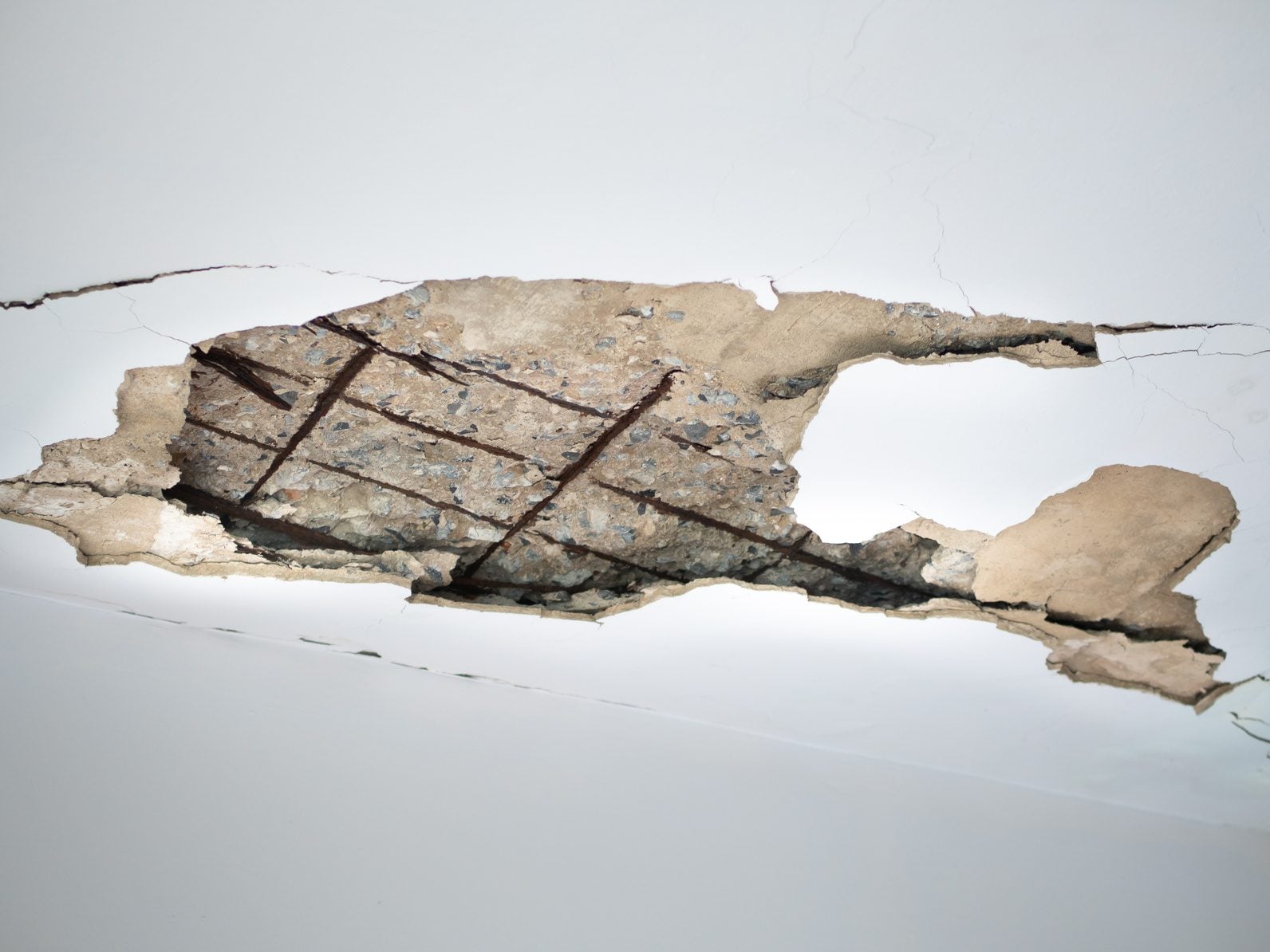
- Many policies treat sudden damage differently from gradual leaks. Check your policy and document everything.
- The pipe repair and the water damage it caused are often handled as separate items in a claim.
- The Florida Department of Health advises drying wet building materials and carpets in the first 24 hours.
- Under section 627.70132, Florida Statutes, notice of a new or reopened property claim must be given within 1 year after the date of loss.
- The Florida Department of Financial Services says flood damage is not covered by a homeowners policy, so the source of the water matters.
Does homeowners insurance cover water damage from a broken pipe?
Homeowners insurance may cover water damage from a broken pipe in a Tampa home, but only your own policy can answer that. Coverage usually turns on two questions: did the water escape suddenly, and is the cause something the policy excludes?
Most homeowners policies are written around sudden, accidental events. A supply line that splits and floods the kitchen in an hour is a very different event, on paper, from a drain pipe that dripped inside a wall for months. The words that matter are in your policy's coverage section, its exclusions and any endorsements.
This guide does not predict what your insurer will decide. It explains how policies tend to differ and what to record before you talk to your agent or adjuster.
What is the difference between a sudden pipe burst and a slow leak?
A sudden pipe burst happens all at once and is usually noticed right away, while a slow leak builds over weeks or months, often out of sight. Many policies treat these two very differently, so the timeline of the damage is one of the first things an adjuster looks at.
Signs that point to a sudden event:
- Water appeared quickly, often with a loud pop, hiss or spray.
- Materials are wet but not rotted, stained in rings or covered in growth.
- A clear failure point, such as a split fitting, a burst hose or a cracked valve.
Signs that point to a gradual leak:
- Layered water stains, soft subfloor or rotted wood.
- Musty odor, warped cabinet bases or peeling baseboards.
- Corrosion or mineral crust around a slow drip.
For help spotting slow leaks early, read signs of hidden water damage.
Is the broken pipe itself covered, or only the water damage?
Often these are two separate questions. Many policies look at the damage the water caused, such as wet drywall, flooring and cabinets, apart from the cost of fixing the pipe that failed. Some policies may also address the cost of opening a wall or floor to reach the pipe.
Ask your agent how your policy handles each piece:
- The failed pipe or fitting and the plumbing repair.
- Access work, such as cutting drywall or lifting tile.
- Resulting damage to walls, floors, ceilings and built-ins.
- Drying and cleanup, including water extraction.
- Belongings that got wet, and extra living costs if rooms cannot be used.
Keep the broken piece of pipe if you can. An adjuster may want to see it.
Need help now? Call to be connected with a local provider in Tampa who can check availability for your address.
What can make a broken pipe insurance claim harder?
Claims tend to get harder when the damage looks long-term, when the cause falls under an exclusion, or when the home was not maintained or was left empty. Each policy words these limits differently, so read yours closely.
- Wear and tear. Many policies exclude damage from age, rust or deterioration.
- Repeated seepage. Water that leaked over a long period is often treated differently from a single event.
- Delayed reporting. Waiting can make it harder to show what happened and when.
- Not limiting the damage. Policies usually expect reasonable steps to stop the water.
- Vacancy. Some policies limit water claims if a home sat empty for a set period.
- Mold limits. Some policies cap or exclude mold cleanup.
What are the common myths about burst pipe coverage?
The biggest myth is that every pipe leak is either always covered or never covered. In reality, the answer depends on the policy wording and the facts of the leak. Here are a few others worth clearing up.
- Myth: if water came from inside the house, it is automatically covered. Fact: the cause and the timeline still matter, and gradual leaks are often treated differently.
- Myth: I should wait for the adjuster before drying anything. Fact: policies usually expect you to limit further damage. Take photos first, then start drying.
- Myth: a plumber's repair receipt is all the proof I need. Fact: photos, moisture readings and a written scope of the water damage help tell the full story.
- Myth: a pipe break and a flood are the same thing. Fact: the Florida Department of Financial Services says flood damage is not covered by a homeowners policy, while a pipe break is a different kind of event.
- Myth: I can throw out ruined items right away. Fact: photograph them and ask your adjuster before discarding anything.
What should you do right after a pipe breaks?
Stop the water first, then make the area safe, then document. Those steps protect your home and your claim at the same time.
- Shut off the water at the fixture valve or the main shutoff.
- Watch for electricity. If water is near outlets, cords or the panel, stay out of it and turn off power at the breaker only from a dry spot.
- Photograph before you move anything, including the failed pipe.
- Remove standing water and move belongings to a dry area.
- Start drying with fans or a dehumidifier if it is safe.
- Report the loss and write down the claim number.
For a deeper checklist, see the first 24 hours after water damage.
How do you document broken pipe water damage for a claim?
Document the source, the spread and the losses, in that order. Clear records help an adjuster understand a sudden event and help you compare scopes from different providers.
- Photos and video of the leak point, standing water, wet walls, ceilings and flooring, plus wide shots of each room.
- A short written timeline: when you noticed the water, shut it off and called your insurer.
- The failed part, saved in a labeled bag.
- Receipts for fans, towels, tarps or hotel stays.
- A list of damaged belongings and where they were.
- Moisture readings and a written scope from the drying provider.
For more on the claim process, read water damage insurance claim basics.
What happens during the visit?
During the visit, a local provider inspects the wet areas, explains your options in plain words and gives you a written quote before any work begins.
- Inspection: a look at the failed pipe area, moisture readings across walls, floors and cabinets, and a check for water that traveled under flooring or into the next room.
- Options explained: what can be dried in place, what likely needs to be removed, and what a plumber may need to handle separately.
- Written quote: a room-by-room scope you can review and share with your insurer before you approve anything.
Drying depends on the materials, the amount of water and the humidity, so no fixed timeline can be promised. Learn more about burst pipe and leak cleanup and structural drying.
Broken pipes and insurance questions in Tampa homes
In Tampa, a few local facts shape what happens after a pipe breaks. The City of Tampa says a home's private shutoff valve is typically on the side of the home, in line with the meter box and low to the ground, and it recommends that every home have one. The curb stop is City property, and Tampa City Code Section 26-70 prohibits anyone other than an authorized City representative from turning water off or on there.
Humidity also matters. The Florida Department of Health advises drying wet building materials and carpets in the first 24 hours, and says most experts suggest indoor relative humidity below 60%. In a muggy Tampa Bay home, wet drywall can stay damp longer, which is one more reason to start drying early.
Timing matters for claims too. Under section 627.70132, Florida Statutes, a new or reopened property insurance claim is barred unless notice is given within 1 year after the date of loss. Florida DFS also says a single water-damage claim may not be the sole reason an insurer cancels a property policy, unless the insurer shows the policyholder failed to take reasonably necessary steps it requested to prevent a similar loss. This is general information, not legal advice.
Calls about broken pipes and wet floors come in from Tampa, Brandon, Riverview, Carrollwood, Temple Terrace and St. Petersburg. Call to be connected with a local provider who can check availability for your address.
Related pages
Questions people ask
Does homeowners insurance cover water damage from a broken pipe?
It may, depending on your policy and how the damage happened. Many policies treat a sudden burst differently from a gradual leak, so check your policy and document everything.
Will my insurance pay if a pipe burst under my kitchen sink while I was home?
A sudden break you caught right away is the kind of event many policies are written for, but only your policy can say for sure. Shut off the water, take photos and report it promptly.
Why would an insurance company deny a claim for a slow leak behind a wall?
Many policies exclude damage from repeated seepage, wear and tear, or deterioration over time. If the damage looks long-term, the claim may be treated differently from a sudden break.
Does homeowners insurance pay to fix the pipe itself or just the damage it caused?
Many policies handle these separately. The resulting water damage and the plumbing repair may be treated differently, so ask your agent how your policy handles each one.
Will insurance pay to open up a wall or floor so the leaking pipe can be reached?
Some policies address this access work and some do not. Ask your agent before the wall is opened, and photograph the area first.
Is a broken pipe the same as a flood for insurance purposes?
No. A broken pipe is water escaping from your plumbing, while a flood usually means water from outside, such as rising storm water. The Florida Department of Financial Services says flood damage is not covered by a homeowners policy.
Should I wait for the adjuster to see the damage before I start drying my house?
No, most policies expect you to limit further damage. Take thorough photos and video first, then start removing water and drying.
Can I throw away wet carpet and furniture after a pipe bursts?
Photograph everything first and ask your adjuster before you discard items. Some insurers want to see damaged belongings or a sample of the carpet and pad.
Should I keep the broken piece of pipe after the plumber replaces it?
Yes, keep it if you can. Label it and store it in a bag, because an adjuster may want to see how it failed.
What kind of photos help a broken pipe water damage claim?
Take wide shots of each affected room, close-ups of the failed pipe or fitting, and photos of wet walls, ceilings, flooring and belongings before anything is moved.
Does it matter how long the water was leaking before I noticed it?
Yes, the timeline often matters. Damage that appears to have built up over a long time may be treated differently from a single sudden event, so write down when you first noticed the water.
Does homeowners insurance cover mold that grows after a pipe leak?
Some policies limit or exclude mold cleanup, and mold from a long-term leak is often treated differently. Check your policy and start drying quickly to limit growth.
How fast should I report a broken pipe to my insurance company in Florida?
Report it as soon as you reasonably can. Florida law bars a new or reopened property claim unless notice is given within 1 year after the date of loss, but waiting can make the facts harder to show.
Can my insurer drop me in Florida for filing one claim for a burst pipe?
Florida DFS says a single water-damage claim may not be the sole reason an insurer cancels a property policy, with an exception if the policyholder did not take reasonable steps the insurer requested. This is general information, not legal advice.
Who pays when a pipe in the condo unit above me breaks and leaks into my unit?
It depends on the association documents, the cause and each owner's policy. Notify the association and the upstairs owner in writing, and document the damage in your unit.
What does a water damage provider check when I call about a broken pipe?
A local provider inspects the leak area, takes moisture readings, explains what can be dried or must be removed, and gives a written quote before any work starts.
Talk to someone about your water damage problem
Call to be connected with a local provider who can check availability for your address and explain the next step.