Should I File a Home Insurance Claim for Water Damage? Tampa
Should I file a home insurance claim for water damage? In Tampa, the answer depends on how the water got in, how much is wet and how that compares with your deductible. Stop the water, check your policy, document everything, and call to be connected with a local provider who can measure the damage first.
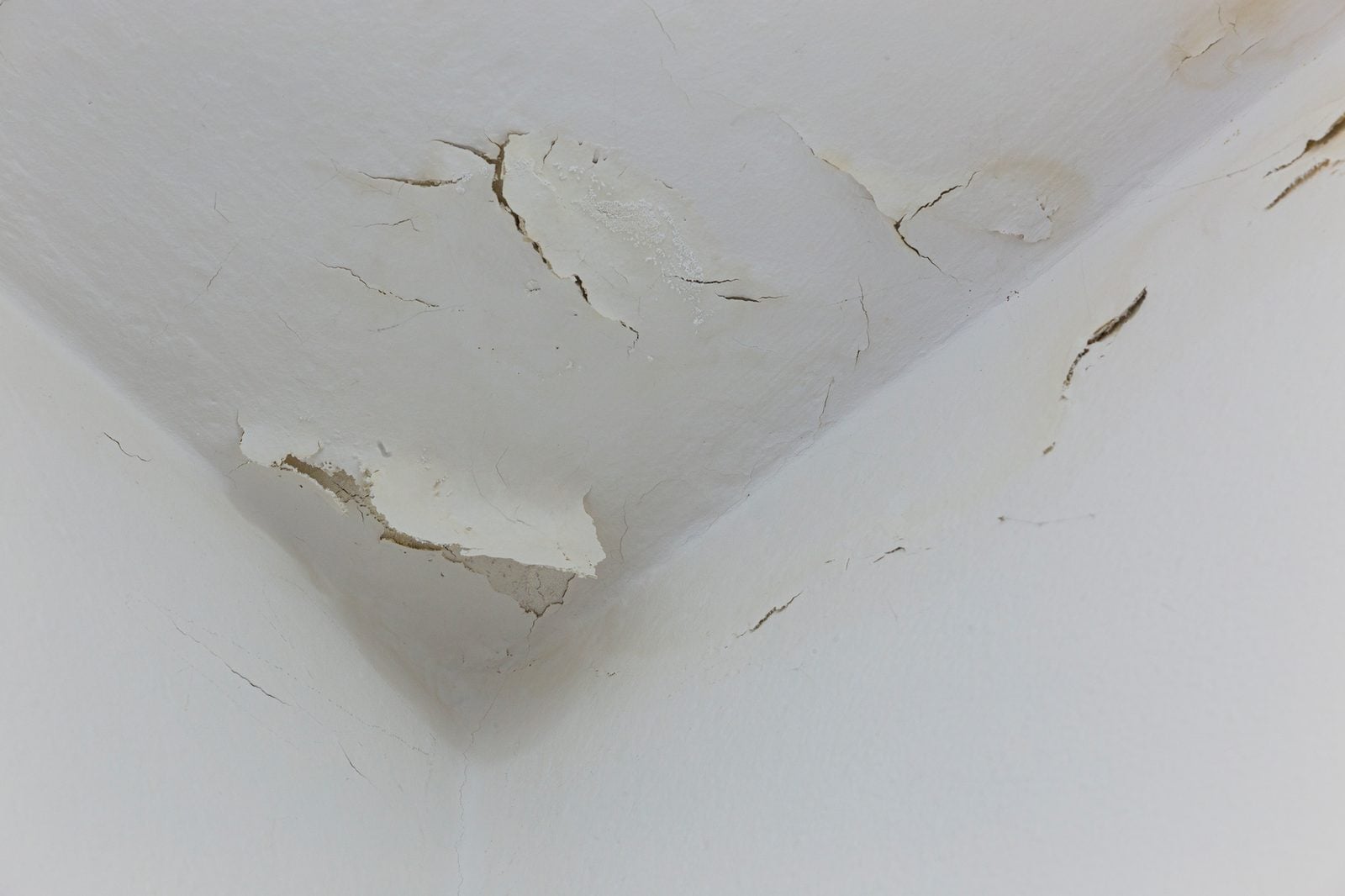
- Many policies treat sudden damage differently from gradual leaks. Check your policy and document everything.
- Get the damage measured and a written quote before you decide, since hidden moisture can make a leak bigger than it looks.
- Florida DFS says a single water-damage claim may not be the sole reason an insurer cancels a property policy, with limited exceptions.
- Under section 627.70132, Florida Statutes, notice of a new or reopened property claim must be given within 1 year after the date of loss.
- Mold coverage varies widely. The Florida Department of Health advises drying wet materials and carpets in the first 24 hours.
Should I file a home insurance claim for water damage?
You should consider filing a home insurance claim for water damage when the damage is sudden, spreads beyond one small spot, and looks likely to cost more than your deductible to dry out and repair. For a small, clearly contained spill, many Tampa homeowners talk to their agent first and decide after they see a written quote.
There is no single right answer, because the choice depends on your policy, your deductible, how the water got in and how much material is wet. What you can control is the order of steps: stop the water, document everything, get the damage measured, then decide.
This guide does not predict what your insurer will pay. Check your policy, document everything, and call to be connected with a local provider who can inspect the damage.
How do I know if water damage is bad enough to file a claim?
Water damage is usually serious enough to think about a claim when it has soaked into walls, floors, ceilings or cabinets, when it came from a sudden event like a burst supply line, or when more than one room is affected. Surface water you wiped up within minutes is a different situation.
Signs that point toward a larger loss:
- Wet drywall, swollen baseboards or a ceiling stain that keeps growing.
- Water that ran under flooring, into the next room or down to a lower floor.
- Damage from dirty water, such as a toilet overflow or a sewer backup.
Moisture meters often find water well past the visible stain. Read signs of hidden water damage for more on what to look for.
Does the cause of the water change whether I should file?
Yes. The cause of the water is often the biggest factor in how a claim is reviewed. Many policies treat sudden damage differently from gradual leaks, and water from outside is usually handled very differently from water that escaped from your plumbing. Check your policy and document everything.
Common causes, and how policies tend to sort them:
- Sudden plumbing or appliance failures: a split washing machine hose, a burst pipe or a failed water heater. These are the kinds of events many homeowners policies are written around.
- Slow, long-term leaks: a drip under a sink or behind a shower wall that went on for months. Many policies limit or exclude damage that built up over time.
- Flood water from outside: storm surge, rising water or runoff. The Florida Department of Financial Services says flood damage is not covered by a homeowners policy.
- Sewer or drain backup: Florida DFS says some homeowners policies do not cover sewer backup, though that coverage may be added by endorsement.
Need help now? Call to be connected with a local provider in Tampa who can check availability for your address.
How does my deductible affect the decision to file?
Your deductible is the share of a covered loss you pay before the policy pays anything, so it sets the floor for whether a claim makes sense. If the drying and repair work is likely to come in under your deductible, a claim may not help much. If it is likely to be well above it, filing is usually worth a closer look.
You rarely know the size of water damage on day one, so get a written quote before you decide. Things that push the scope up include:
- How many rooms and what materials got wet, such as drywall, hardwood, laminate or cabinets.
- Whether the water was clean, gray or dirty, since dirty water usually means more removal and cleaning.
- How long materials stayed wet before drying started.
Look at your declarations page for your deductible amounts. Some Florida policies carry a separate hurricane deductible, so a storm loss and a plumbing leak may not use the same one.
Will filing a water damage claim hurt me later in Florida?
Filing one claim is not, by itself, a reason for a Florida insurer to cancel your policy. Florida DFS says a single water-damage claim may not be the sole reason an insurer cancels a property policy, unless the insurer shows the policyholder failed to take reasonably necessary steps it requested to prevent a similar loss.
That rule is about cancellation, not renewals or premiums. Ask your agent before you file:
- Does reporting the damage count as a claim even if nothing is paid?
- Which deductible applies to this type of loss?
- What repairs or steps does the insurer want me to take to prevent this from happening again?
Is mold covered in homeowners insurance if it follows water damage?
Mold may be covered in homeowners insurance when it results from a sudden, covered water loss, but many policies limit or exclude mold, especially when it grew from a long-term leak or high humidity. Only your policy can answer this, so check the mold wording and document everything.
Insurers often look at whether the water was stopped and dried quickly. The Florida Department of Health advises cleaning up spills and drying wet building materials and carpets in the first 24 hours.
Practical steps if you see or smell mold after water damage:
- Photograph it before anything is cleaned or removed.
- Do not tear out large moldy areas yourself before your insurer has a chance to see them.
The Florida Department of Health does not recommend mold testing or sampling to see if you have a mold problem. Learn more about mold remediation after water damage.
What should I do before I decide whether to file?
Before you decide, stop the source, protect the house from more damage, and build a clear record.
- Stop the water. Close the shutoff valve or the fixture valve. Stay away from water near outlets or the panel.
- Photograph and video everything. Wide shots of each room, then close-ups of the source and wet materials.
- Write a short timeline. When it started, when you noticed it, and what you did.
- Keep damaged items and parts. Do not throw out wet belongings until your insurer says you can.
- Start drying. Keep receipts for any supplies you buy.
- Get the damage measured. A written scope with moisture readings tells you, and your agent, how big the job really is.
For the full first-day checklist, see the first 24 hours after water damage.
When might it make sense not to file a claim?
It may make sense not to file when the damage is small, clearly contained and likely to cost less than your deductible to fix, or when the cause is something your policy plainly excludes. Even then, document everything in case hidden damage shows up later.
Examples many homeowners handle on their own:
- A sink overflow caught right away that only wet a tile floor.
- A small drip under a cabinet with no wet drywall and no smell.
The risk is guessing wrong about size. If moisture readings later show wet walls or subfloor, Florida law still gives you time to report. Under section 627.70132, Florida Statutes, a new or reopened claim is barred unless notice is given within 1 year after the date of loss, and a supplemental claim within 18 months. This is general information, not legal advice. Waiting can also let mold grow.
What happens during the visit?
During the visit, a local provider inspects the wet areas, explains your options in plain words and gives you a written quote before any work begins.
- Inspection: a look at the source, moisture readings across walls, floors and cabinets, and checks for water that traveled under flooring or into nearby rooms.
- Options explained: what can be dried in place, what likely needs to be removed, whether mold is present, and what a plumber or roofer may need to handle separately.
- Written quote: a room-by-room scope with photos and readings that you can review with your agent before you approve anything.
Drying depends on the materials, the amount of water and the humidity, so no fixed timeline can be promised. See structural drying and dehumidification and how it works for more detail.
Water damage claims and Tampa Bay conditions
A few local facts shape the claim decision in the Tampa area. NWS Tampa Bay defines the rainy season as May 25 to October 10 for West Central Florida, and the official Atlantic hurricane season runs from June 1 to November 30.
Storms also change the paperwork. Under section 627.70132, Florida Statutes, the date of loss for a hurricane claim is the date the hurricane made landfall, and for other weather events it is the date NOAA verifies the event. Write that date in your notes. Water that rose from outside is a separate matter: Florida DFS says flood damage is not covered by a homeowners policy, and FEMA says an NFIP flood policy typically has a 30-day waiting period before it takes effect.
Humidity matters for mold. The Florida Department of Health says most experts suggest indoor relative humidity below 60%, and below 50% is ideal for controlling mold growth.
Calls about leaks, storm water and insurance questions come in from Tampa, Riverview, Brandon, Carrollwood, Wesley Chapel, Clearwater and St. Petersburg. Call to be connected with a local provider who can check availability for your address.
Related pages
Questions people ask
Should I file a home insurance claim for water damage or just pay for it myself?
It depends on how big the damage is compared with your deductible and whether the cause fits your policy. Get a written quote first, then review it with your agent.
How do I decide if a water leak is worth an insurance claim?
Compare the likely cost of drying and repair with your deductible, and look at the cause. A sudden leak that wet walls or several rooms is often worth discussing with your agent; a small contained spill often is not.
Is it better to call my insurance agent or a water damage company first?
Stop the water first, then it is reasonable to do both. An agent can explain your policy, and a provider can measure the damage so you know what you are dealing with.
Does calling my insurance company to ask a question count as a claim?
It can, depending on the insurer and how the call is logged. Ask your agent up front whether a question about coverage is recorded as a claim or a loss notice.
Will my homeowners insurance go up if I file one water damage claim?
It might; that depends on your insurer and your claim history. Florida DFS says a single water-damage claim may not be the sole reason an insurer cancels a property policy, but that rule does not cover renewal pricing.
Can my insurance company cancel my policy for one water claim in Florida?
Generally not for that reason alone. Florida DFS says one water-damage claim may not be the sole reason for cancellation unless the policyholder failed to take reasonably necessary steps the insurer requested to prevent a similar loss.
Is mold covered in homeowners insurance in Florida?
Sometimes, when it results from a sudden covered water loss, but many policies limit or exclude mold. Check the mold section of your policy and document the growth and the original water event.
Will insurance pay for mold if I didn't notice the leak for months?
Often that is harder, because many policies limit damage from long-term leaks. Document what you found and when, and ask your agent how your policy treats gradual damage.
Should I clean up the mold before the insurance adjuster comes out?
Photograph it first and avoid tearing out large moldy areas before your insurer can see them. Keep the area dry and ask your insurer what they want you to do in the meantime.
Do I need a mold test before filing a water damage claim?
Not usually. The Florida Department of Health does not recommend mold testing or sampling to see if you have a mold problem.
How long can I wait to file a water damage claim in Florida?
Under section 627.70132, Florida Statutes, notice of a new or reopened property claim must be given within 1 year after the date of loss. This is general information, not legal advice, so ask your agent about your situation.
What if I find more water damage after my claim is closed?
You may be able to file a supplemental claim. Under section 627.70132, Florida Statutes, a supplemental claim is barred unless notice is given within 18 months after the date of loss.
Does homeowners insurance cover water damage from a hurricane in Tampa?
Wind-driven damage and flood damage are often handled very differently. Florida DFS says flood damage is not covered by a homeowners policy, so check your policy and any separate flood coverage.
What deductible applies to storm water damage in Florida?
Some Florida policies carry a separate hurricane deductible that applies during a hurricane event, which may differ from your regular deductible. Look at your declarations page or ask your agent.
Does homeowners insurance cover a sewer backup in Tampa?
Not always. Florida DFS says some homeowners policies do not cover sewer backup, though that coverage may be added by endorsement, so check your policy for it.
What does a water damage provider check when I call about a possible claim?
A provider inspects the source, takes moisture readings across walls, floors and cabinets, explains your options and gives you a written quote before work begins.
Talk to someone about your water damage problem
Call to be connected with a local provider who can check availability for your address and explain the next step.